If you want to know how to promote a podcast, start here: recording the show is the easy half. The hard half is getting each episode in front of people who have never heard of you.
The short answer: know who the show is for, launch with a trailer and a few episodes, put the full show on YouTube, cut clips from every episode, make each one easy to find, borrow audiences through guests and build an email list you own.
The short version
- Promotion is the job. Plan it before you record.
- YouTube is the biggest shop window. It leads US podcast use.
- Clips do the discovery. Cut them from every episode.
- The tools got better this week. YouTube now turns episodes into Shorts.
- Search still matters. Clear titles, chapters and transcripts.
- Own the audience. Email holds listeners between episodes.
Why is podcast promotion different in 2026?
Because a podcast is no longer only audio. People find shows through video, short clips and recommendations inside the apps, then decide whether to commit an hour.
The audience is there. Edison Research puts monthly podcast use at 58% of Americans aged 12 and over, an all time high. The competition for that attention is fierce, so a good show with no promotion plan usually goes unheard.

Where do people find new podcasts?
Often through short clips and through creators they already follow. Audiences follow people more than platforms.
Clips and newsletters carry podcast audiences
Younger audiences lean on clips most. In a 2023 {GENZ|Edison Research and SXM Media study} of 13 to 24 year olds, 76% of monthly podcast listeners said they discover podcasts through clips on social media.
How to promote a podcast in 7 steps
Steps 1 to 3 set up the launch, step 4 drives discovery and steps 5 to 7 keep the show growing.
1. Decide who the show is for and where they watch
Write one sentence naming the listener and the promise of every episode. Then pick the platform where that listener already spends time.
In the US, YouTube is now the service weekly podcast consumers use most often for podcasts, at 39%, ahead of Spotify at 20% and Apple Podcasts at 11%, according to Edison Research’s Infinite Dial 2026.
Age matters too. Monthly podcast use is highest among 35 to 54 year olds at 68%, then 64% of 12 to 34s and 44% of people 55 and over. Our guide to podcast vs YouTube for brands covers the UK picture.
2. Launch with a trailer and a small back catalogue
Release a short trailer before launch day, then publish more than one episode on day one so a new listener has somewhere to go next.
Apple Podcasts has a trailer episode type and suggests a trailer of one to two minutes that introduces the themes of your show. Its trailer guide adds a clear call to action at the end: tell people when new episodes land and ask them to follow.
Film the trailer too. Apple notes that visual trailers grab attention on social media, as long as you cut a version for each format.
3. Put the full show on YouTube, properly
Upload filmed episodes to a podcast playlist on your channel, with a title and thumbnail made for YouTube, not copied from the audio feed.
YouTube can also pull episodes from your RSS feed, but it builds each video from a still image of your show art. Those episodes cannot contain adverts, and any sponsorship has to be declared as branded content.
If you can film, film. Our video podcast setup guide covers the kit, and our YouTube SEO guide covers titles and descriptions that get found.
4. Cut clips from every episode
Choose three to five moments that stand on their own and post them as Shorts, Reels, TikToks and Spotify Clips within a day of each episode.
Sounds Profitable calls short clips a primary way audiences discover creators. In Sounds Profitable’s Podcast Atlas, 84% of people who watch podcast clips said clips lead them to become regular listeners at least some of the time.
The tools caught up this week. On 12 November YouTube extended the clips tool in YouTube Studio to Shorts, so a widescreen episode becomes a vertical Short with captions added, and the UK is one of 10 countries with AI suggested moments. YouTube says you will not be penalised for clipping your own content.
Spotify Clips allow one clip of up to 90 seconds per episode. Spotify’s rules ask you not to send viewers to websites or ask for follows on social media, so keep the clip about the episode. Our guide to repurposing long form video walks through the editing.
5. Make every episode easy to find
Write titles that say what the episode is about, add chapters and publish a transcript for every episode.
A guest’s name only works as a title if people already search for that guest. Otherwise lead with the question the episode answers.
Apple Podcasts can generate a transcript, chapters and time links for each episode. Transcripts also give AI assistants text to quote, which our GEO guide explains.
6. Borrow audiences through guests and swaps
Book guests with audiences of their own, give them clips to share and swap trailers with shows your listeners already enjoy.
Apple suggests partnering with other podcasters to play each other’s trailers on your shows. It costs nothing and reaches people who already listen to podcasts.
Send every guest a short pack on release day: two clips, a still image and the episode link. If you pay a creator to promote the show, follow the disclosure rules in our ASA influencer guidelines guide.
7. Own the audience, then measure what grows it
Collect email addresses from day one and judge the show on follows, completion and what listeners do next, not downloads alone.
Owned channels hold the audience between episodes. In the Podcast Atlas, 87% of newsletter subscribers said podcast newsletters lead them to listen to episodes. Our newsletter strategy guide shows how to build one.
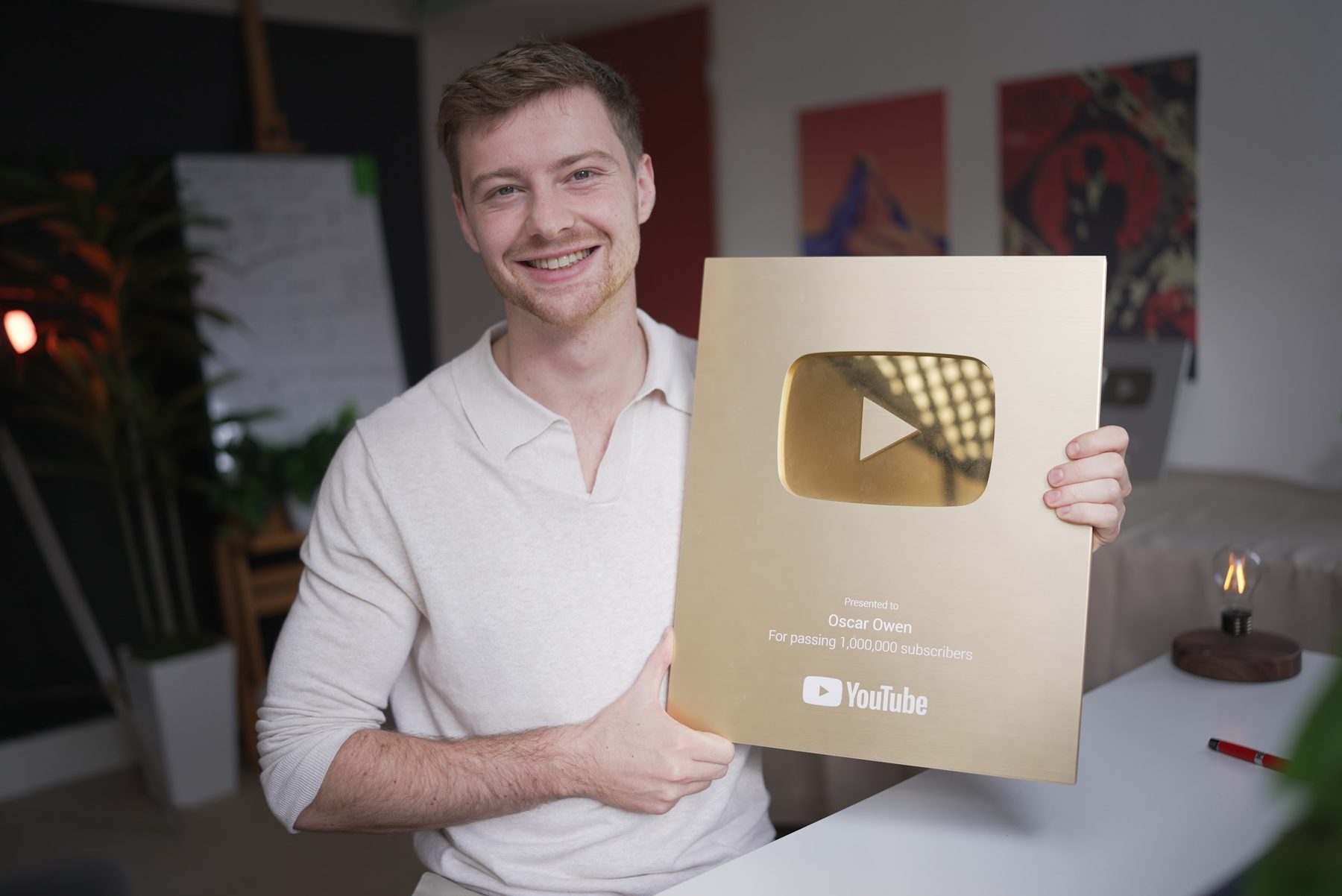
Oscar Owen, our cofounder, made the case on LinkedIn in January 2026:
Brands that own attention are replacing brands that rent it.
Spotify for Creators reports impressions and plays from clips, and YouTube Studio reports how each episode and Short performs. Our social media KPIs guide helps you pick the few numbers worth tracking.

Platform tools that do the promoting for you
Each platform now has a free tool built to send people to full episodes. Use all of them before you spend on ads.
| Platform | Built in promotion tool | What to know |
|---|---|---|
| YouTube | Clips and Shorts tool in YouTube Studio | Turns a 16:9 episode into a vertical Short with automatic captions. AI suggested moments work in the UK. Keep the podcast playlist for full episodes only. |
| YouTube | RSS feed delivery | Builds a still image video from your show art. RSS episodes cannot contain adverts, and branded content must be declared. |
| Spotify | Clips in Spotify for Creators | One clip per episode, 15 to 90 seconds, vertical preferred. Clips can be recommended on Home, the Podcast feed, Browse and Now Playing. |
| Apple Podcasts | Trailer episode type | Apple suggests a one to two minute trailer that introduces the themes of the show. |
| Apple Podcasts | Marketing tools | Ready made social posts, web embeds, QR codes, short links and listen on badges for your show. |
Summarised from YouTube Help, Spotify for Creators and Apple Podcasts for Creators pages, checked on 15 November 2026. Features roll out by country, so check your own dashboard.
For news on tools like these every week, read The Friday Cut, our social media marketing news round up.
Example: a launch plan for one brand podcast
Here is how the seven steps might look for a fictional UK homeware brand we will call Larkfield. Its show is a weekly interview with people who restore old homes.
| When | What goes out | Where | Goal |
|---|---|---|---|
| Two weeks before | A one minute filmed trailer | YouTube, Apple, Spotify, LinkedIn | Early follows |
| Launch day | Three full episodes and a newsletter issue | Every platform, plus email | Give new listeners a back catalogue |
| Launch week | Four clips per episode and a guest share pack | Shorts, Reels, TikTok, Spotify Clips | Discovery |
| Weeks 2 to 8 | One episode a week, clips within a day, one trailer swap a month | All of the above | Habit and reach |
| Every month | A review of follows, clip plays and replies | Platform dashboards | Keep what works |
Larkfield is a fictional UK homeware brand and this plan is invented to show the format. It is not based on a real brand or client.
Every clip, trailer and newsletter points back to a full episode Larkfield owns.

Podcast promotion checklist
Run through it before launch, then every month.
- Listener and promise written. One sentence, agreed before recording.
- Trailer live. One to two minutes, filmed, with a clear call to follow.
- Back catalogue ready. More than one episode on launch day.
- YouTube set up. Full episodes only in the podcast playlist, sponsorship declared.
- Clips planned. Three to five per episode, captioned, posted within a day.
- Search ready. Clear titles, chapters and a transcript for every episode.
- Guest pack sent. Clips, a still and the link on release day.
- Email capture live. A sign up link in every episode description.
- Monthly review booked. Follows, clip plays, completion and replies.
Frequently asked questions
How do I promote a podcast for free?
Use the tools the platforms already give you: YouTube’s clips tool for Shorts, Spotify Clips, Apple’s marketing tools and trailer episodes. Then swap trailers with similar shows and give every guest clips to share.
How do I promote a podcast on YouTube?
Upload filmed episodes to a podcast playlist, write titles and thumbnails for YouTube, and cut Shorts from each episode with the clips tool in YouTube Studio. Public Shorts made with the tool automatically list the full episode as a related video.
How do I promote a podcast on Instagram?
Post short vertical clips as Reels with captions burned in, lead with the strongest line in the first few seconds and use Stories on release day to send followers to the full episode.
How long does it take to grow a podcast?
There is no reliable benchmark, and growth depends on the topic, the hosts and how consistently you publish. Plan for at least eight weeks of weekly episodes and clips before you judge it.
What is a podcast marketing strategy?
A plan for who the show is for, where they find it and how each episode reaches new people. It covers the launch, clips, search, guests, owned channels such as email and the numbers you will review.
A podcast works best as part of a wider content plan. Want help making a show people choose to watch and share? See our work or talk to us about your brand.