Founder led content is content published by, or built around, the person who started the company: their opinions, their story, their face on camera. It works because people trust people more than logos, and buyers want to know who is behind a brand before they commit. The catch is that it needs a sustainable system, a clear job and a plan for the risk of tying a brand to one person.
This guide explains what founder led content is, why it works (with the data), five founder led content examples, a seven step plan to start, and a checklist. If you want staff rather than the founder in front of the camera, read our guide to employee generated content.
The short version
- Founder led content is the founder’s voice, not the brand voice. Opinions, decisions and stories only the founder can tell.
- The evidence is strongest in B2B. 86% of decision makers would invite a strong thought leader into an RFP (Edelman and LinkedIn, 2024).
- Pick one job and one platform. Brand building, hiring, pipeline or fundraising each need different content.
- Systems beat inspiration. A weekly 30 minute capture slot and an editor turn one founder into a steady stream of posts.
- Plan for key person risk. Brands tied to one face can be hurt when that face becomes the story.
What is founder led content?
Founder led content is any content where the founder is the author, the presenter or the subject, and where their perspective is the point. It is different from a company page posting in the brand voice, and different from paying an influencer to talk about you. The founder already has the credibility; the content gives it reach.
In practice it covers LinkedIn posts, talking head videos, podcasts, newsletters and behind the scenes clips. Founder led marketing is the wider strategy of making the founder a deliberate channel, with goals, a calendar and budget, rather than the occasional post when inspiration strikes.

Why does founder led content work?
Three forces sit behind it. First, buyers judge companies through people. In the 2024 Edelman and LinkedIn B2B Thought Leadership Impact Report, 73% of decision makers said thought leadership is a more trustworthy basis for assessing a company’s capabilities than its marketing materials and product sheets, and 60% said they would pay a premium to work with an organisation that produces it.
What good thought leadership does to B2B decision makers
Second, buyers want proof that you understand them. The 2025 edition found that understanding a buyer’s specific challenges and industry trends ranked above strategic fit and well above being the safe choice. A founder who talks openly about the problems in their market shows exactly that.
What matters most to B2B buyers at the moment of purchase
Third, leaders who show up are trusted more. Brunswick’s Connected Leadership 2022 study found financial readers trust CEOs who are active on digital and social channels over those who are not by a ratio of 6 to 1, and employees by 3 to 1. In a crisis, 78% of employees expected the CEO to communicate on social media.
There is a warning in the UK data, though. When Edelman asked UK consumers who they trust for accurate information about a brand, only 45% trusted the brand’s CEO, below customers like them and brand employees (Edelman Brand Trust UK, 2025; we chart the full ladder in our user generated content guide). A founder who sounds like a press release inherits that distrust. A founder who sounds like a person does not.
Founder led content examples
These founders built attention before, or alongside, their product. None of them relied on the company page.
| Founder and brand | What they did | Result (as reported) |
|---|---|---|
| Emily Weiss, Glossier | Ran the beauty blog Into The Gloss from 2010, four years before launching the product brand | Traffic above 2 million unique readers a month, 60% direct (Glossy) |
| Grace Beverley, TALA | Built an audience as a creator, then launched brands she talks about in her own channels | Revenue £19.8m in the year to March 2025, up 19% (FashionUnited) |
| Mike Cessario, Liquid Death | A former advertising creative who made the brand itself the entertainment | $1.4bn valuation after a $67m round in March 2024 (TIME) |
| Steven Bartlett, The Diary of a CEO | A founder whose long form interview show became a media business in its own right | 1bn views and listens across platforms by Nov 2024, self reported (Flight Studio via Podnews) |
| Ben Francis, Gymshark | A founder who thought like a YouTube viewer and put creators at the centre from day one | Daily sales grew from $450 to $45,000 after seeding YouTubers (Forbes) |
Figures are as reported by the publications linked. Revenue and valuation have many causes; these are illustrations of founder led content, not proof that content alone drove the result.
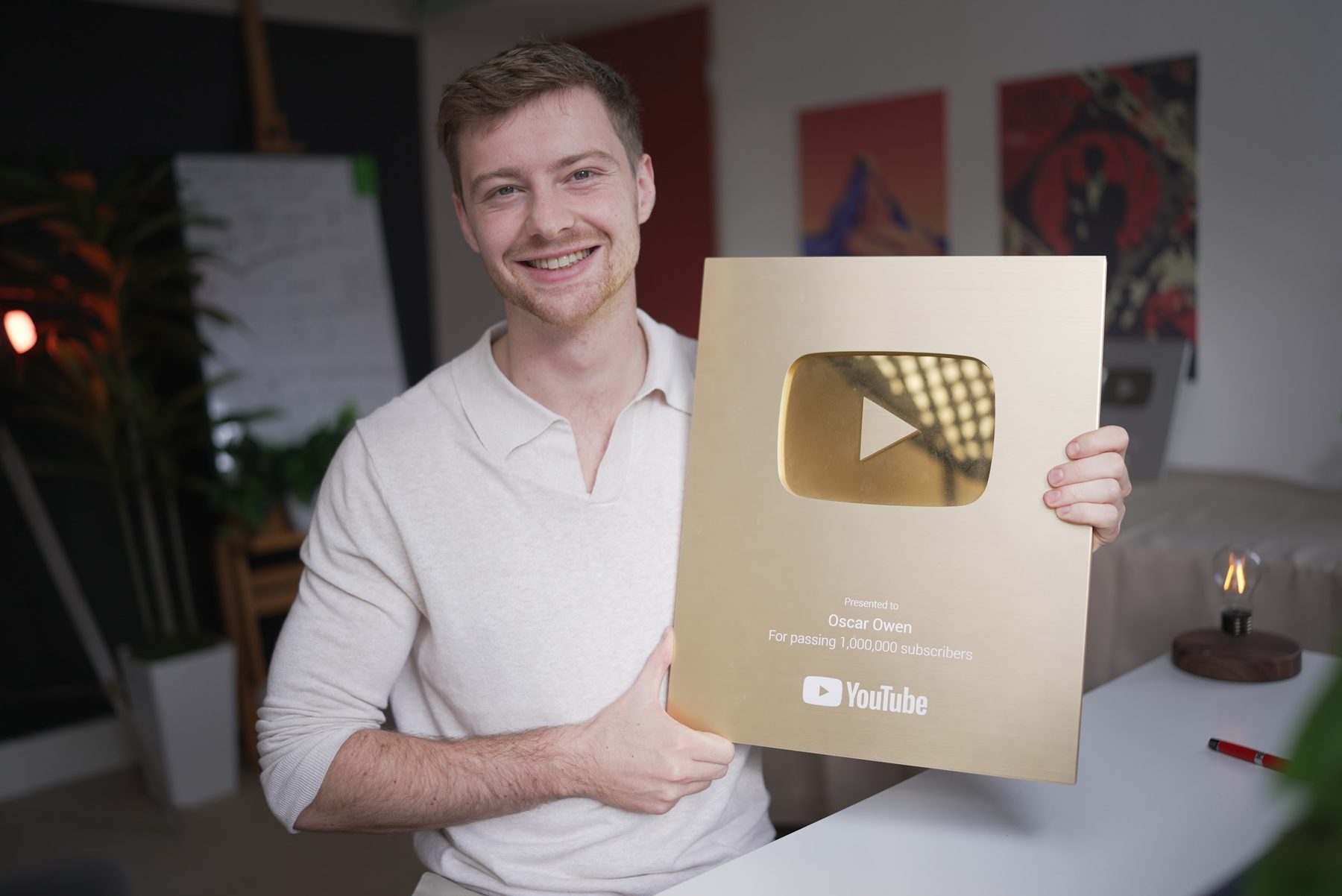
The pattern is the same: a clear point of view, published consistently on a platform the founder understood. We see it in our own work too. With Paul Ribot we grew a personal channel from 0 to 30,000 subscribers in 75 days by treating one person’s voice as the format, the same principle that sits behind our branded content series work.

How to start founder led content in 7 steps
1. Decide the job it has to do
Write one sentence: founder led content exists to build brand awareness, win B2B pipeline, attract hires or support a fundraise. Each job changes the platform and the tone. Pipeline content is specific and expert; hiring content is about culture and mission.
2. Choose one platform and one format the founder can sustain
For B2B, LinkedIn is usually first; see our LinkedIn video best practices. For consumer brands, short video on TikTok, Reels or Shorts usually wins. Start with the format the founder can do every week without dreading it.
| Format | Best home | Founder time a week | What it looks like |
|---|---|---|---|
| Point of view post | 30 min | One strong opinion on your category, written from a voice note | |
| Talking head short | TikTok, Reels, Shorts, LinkedIn | 1 hour (batch filmed) | A 30 to 60 second answer to a question customers ask you every week |
| Build in public update | LinkedIn, X, newsletter | 20 min | What you shipped, what broke, what you learned this month |
| Behind the scenes | Instagram, TikTok | 15 min plus a filmer | The founder in the workshop, the warehouse or the product meeting |
| Long form conversation | YouTube, podcast apps | 2 hours a fortnight | A recorded conversation with a customer, supplier or expert, clipped into shorts |
Advertain guidance. Time is founder time only, assuming a team handles capture, editing and posting.
3. Build a story bank
List 20 stories before you post anything: why you started, the worst week, the customer who changed the product, the decision your industry gets wrong, the thing you would never do. These become months of content.
4. Set up a capture system
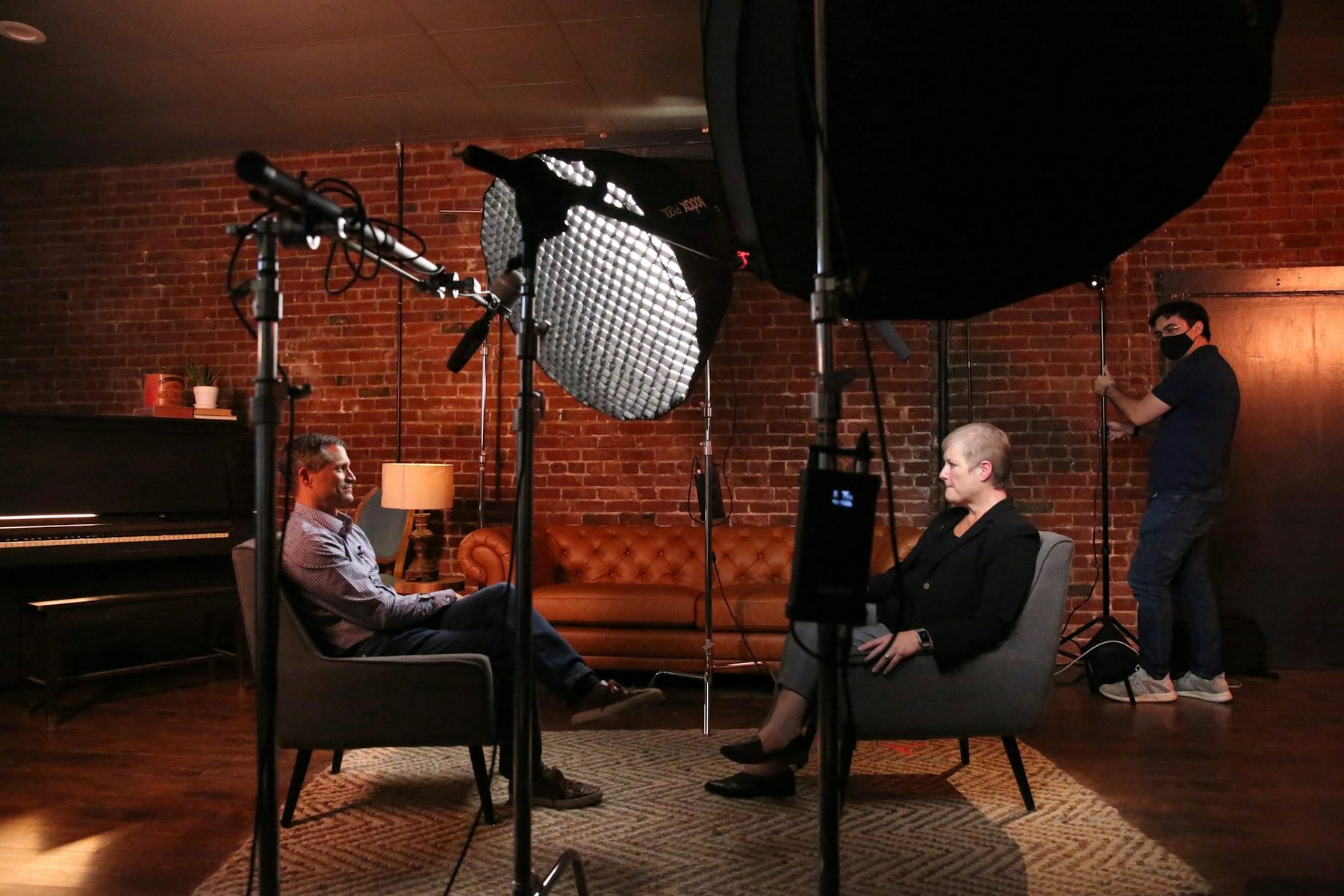
Founders are busy, so do not ask them to write. Book a weekly 30 minute interview, record it on video and audio, and turn the transcript into posts and clips. One recorded conversation can feed a week of output. Open each clip on the strongest line; our guide to YouTube hooks applies to every platform.

5. Edit for clarity, never for personality
A good editor trims, captions and structures. A bad one sands off the opinions that made the post worth reading. Keep the founder’s phrasing, and let them approve everything published in their name.
The founder is not the content. The founder is the reason the content is believable.
6. Amplify what already works
On LinkedIn, Thought Leader Ads let a company sponsor posts from its founder, employees or other members; the author is notified and can approve or deny the request, and the ads guide notes the creative is the author’s own post. LinkedIn does not publish performance benchmarks for the format. One vendor analysis of 2,828 ads found a 2.68% median click through rate against 0.42% for single image ads, while warning the objectives differ (ZenABM, Feb 2026, vendor). Only boost posts that have already performed organically.
7. Measure against the job
Track reach and follower growth monthly, but judge success on the job you chose in step one: inbound enquiries that mention the founder, candidates who cite the content, or sales conversations that start warmer. The 2024 Edelman study found only 29% of producers could link leads or wins back to specific thought leadership, so set up that tracking from day one.
The risks of founder led content
Tying a brand to one person concentrates risk. Tesla fell from 63rd to 95th in the Axios Harris Poll 100 reputation ranking in 2025, a drop Fortune linked to Elon Musk. Compliance is personal too: in 2024 the ASA ruled that a post on Huel founder Julian Hearn’s own Instagram promoting a product was misleading (Irish News via PA). A founder selling their own product is advertising, so the rules in our ASA influencer guidelines apply.
The practical defences are simple: agree topics the founder will not post about, run product claims past whoever checks your ads, and build a second voice (a cofounder, an expert or the team) so the brand is never only one person.

Founder led content checklist
| Check | Why it matters |
|---|---|
| One job written down (brand, hiring, pipeline or fundraising) | Stops the founder posting about everything and building nothing |
| One primary platform and one repeatable format | Consistency beats variety in the first 90 days |
| A weekly 30 minute capture slot in the diary | Founder time is the scarcest input; protect it |
| A story bank of at least 20 ideas | You never start from a blank page |
| A named editor who keeps the founder’s own words | Polish the delivery, never the opinions |
| Disclosure rules agreed for anything promoting your products | A founder post selling a product is still an ad |
| A second voice in the plan (cofounder, expert or employee) | Reduces key person risk |
| A monthly review of reach, followers, inbound and hires | Ties the content to the job you chose |
Advertain guidance.
If you want help turning a founder into a channel, from story bank to filming and editing, see our work (including Formula E, 7M+ views across YouTube, Instagram and TikTok) or talk to us.
Frequently asked questions
Is founder led content worth it for B2B brands?
Usually yes, because B2B buyers judge expertise. In the 2025 Edelman and LinkedIn study, 95% of hidden buyers said strong thought leadership makes them more receptive to outreach. The founder is often the most credible expert the company has.
What is the difference between founder led content and employee generated content?
Founder led content uses one senior voice and its authority. Employee generated content uses many voices and their closeness to the work. Strong brands combine both.

Can founder led content be ghostwritten?
It can be produced with help, and most is. The ideas, stories and opinions must be the founder’s own and they should approve every post. Interview based capture keeps the voice real while a team does the writing and editing.