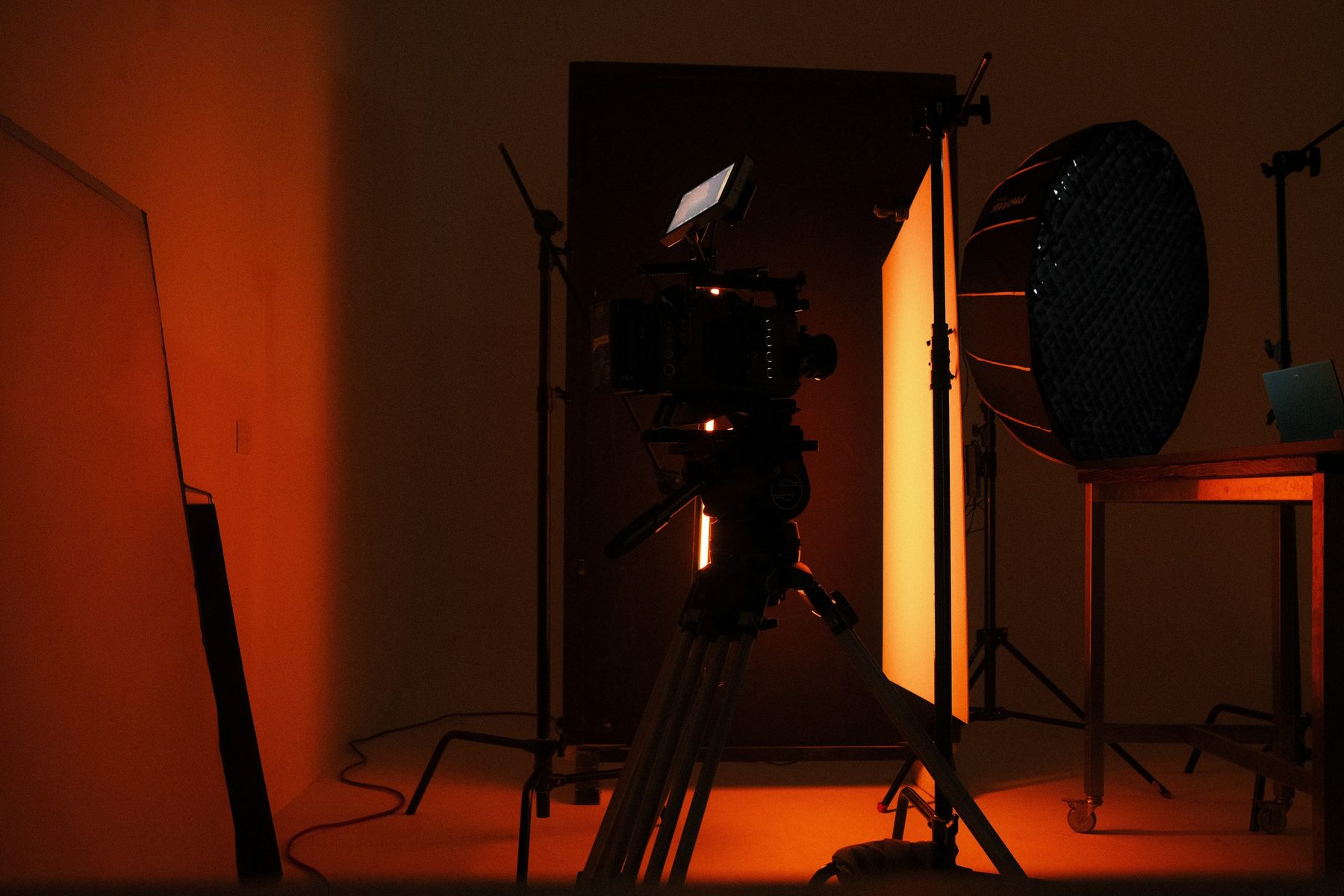
Behind the scenes content shows the people, process and decisions behind a brand: how a product is made, who makes it and what goes wrong on the way. It works because audiences trust people more than corporate messaging, and because it is cheaper to make than polished advertising. Below are 20 behind the scenes content ideas, real examples and a six step plan to make it a repeatable part of your social output.
The short version
- Show, do not tell. Behind the scenes content proves quality by revealing process, people and standards.
- People are the proof. Edelman finds employers and colleagues are trusted far more than business in general.
- Originality beats trends. UK consumers rank original content above reactive, trend led posts.
- Formats beat one offs. A named, repeatable format is easier to film and easier for viewers to follow.
- Protect the basics. Get consent, hide sensitive information and label any partner products as ads.
What is behind the scenes content?
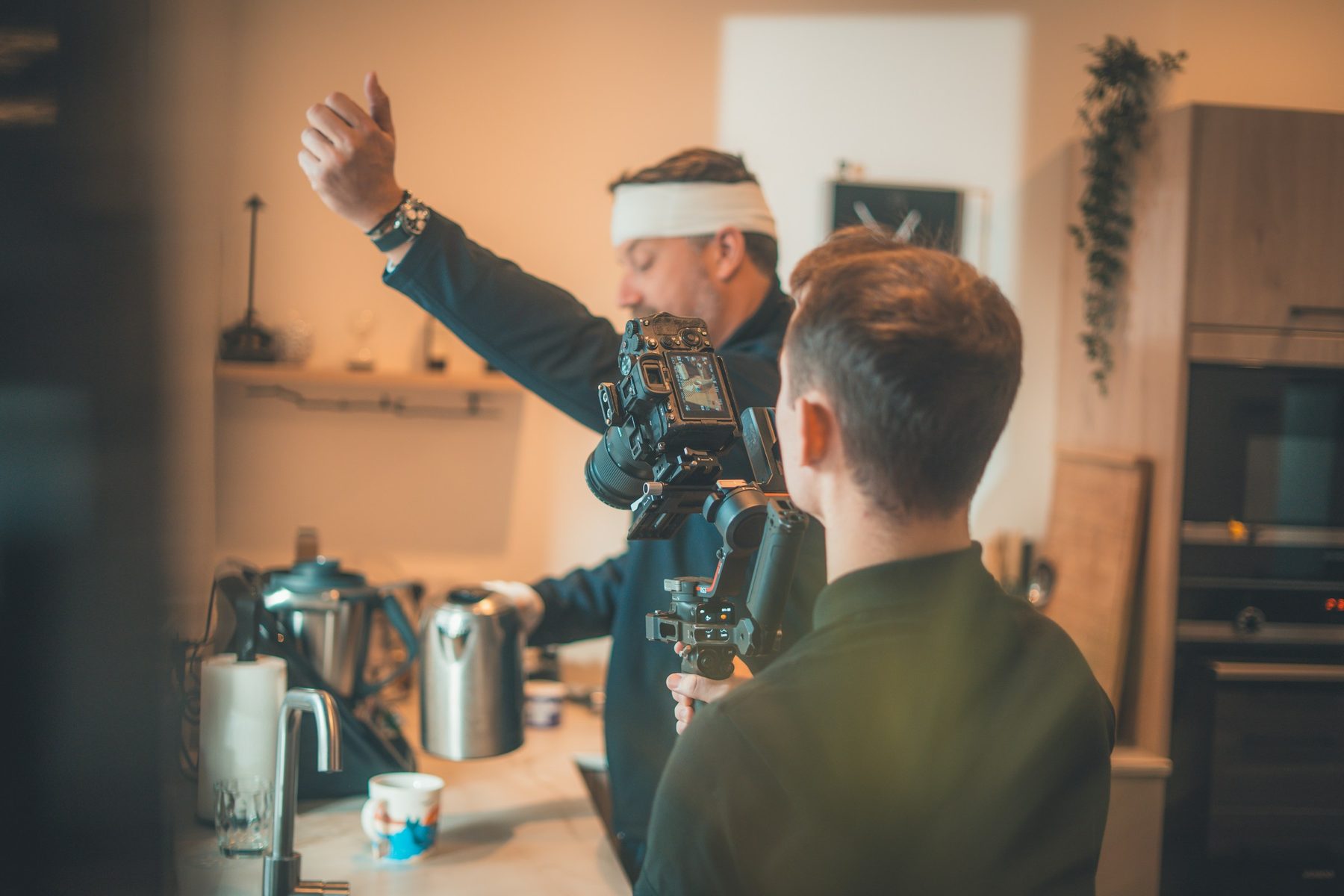
Behind the scenes content, often shortened to BTS content, is any post, video or story that shows what normally happens out of sight. For a brand that might be the factory floor, the design studio, a product test, a photo shoot, a team meeting or a founder explaining a decision. It sits between brand advertising and user generated content: made by the brand, but with the unpolished feel audiences associate with real people.
It is not the same as a corporate video. The point is access, not polish. The best behind the scenes content answers a question a customer has never thought to ask, such as how a jacket is waterproofed or why a recipe took 40 attempts, and leaves them trusting the brand a little more.
Why is behind the scenes content important?
Three reasons. First, trust has shifted towards people. In the 2026 Edelman Trust Barometer, 75% of UK respondents trust their employer, while trust in business sits at 51%. Globally, Edelman reports 78% of employees trust their employer and 66% trust their CEO. Content that puts real staff in front of the camera borrows that trust.
Who people trust: the people behind a brand beat the brand itself
Second, audiences reward originality. The Sprout Social Index 2025 UK Edition found UK consumers rank originality of content second only to product quality when deciding which brands stand out, while reactive content and high production value rank markedly lower. Across the US, UK, Canada and Australia, Sprout says about half of consumers name original content as what makes their favourite brands stand out. Behind the scenes footage is original by definition: nobody else has your workshop.
How UK consumers feel when brands jump on viral trends
Third, the platforms favour it. TikTok's own creative guide says the best ads look and feel like native content and tells brands to focus on realness. YouTube's Culture and Trends research found 65% of US viewers aged 14 to 44 agree something feels more real or legitimate when it appears on YouTube. And as AI generated content spreads, Sprout Social reports that 52% of social users are concerned about brands posting AI content without disclosure, which makes visibly human footage more valuable, not less.
“Focus on realness, not perfection.” TikTok For Business, creative advertising guide
Types of behind the scenes content: 20 ideas for brands
Most behind the scenes content falls into four types: process (how things are made), people (who makes them), progress (launches, events and milestones) and problems (mistakes and how you fixed them). These 20 behind the scenes content ideas cover all four and work for consumer and B2B brands.
| # | Idea | What to show | Best fit |
|---|---|---|---|
| 1 | How it is made | Raw material to finished product, filmed in one take or as a fast montage | Shorts, Reels, TikTok |
| 2 | Meet the maker | One person, one job, why they care about it | Reels, LinkedIn |
| 3 | Day in the life | A real shift from first coffee to lights off | TikTok, Stories |
| 4 | The first draft | Early sketches, prototypes and the version you binned | Instagram carousel, LinkedIn |
| 5 | Quality control | The tests a product fails before it reaches a customer | Shorts, TikTok |
| 6 | Packing the orders | Peak day in the warehouse, counted live | Stories, TikTok |
| 7 | The shoot behind the ad | Camera set ups, bloopers, the take that nearly made it | YouTube, Reels |
| 8 | Ask the expert | Staff answer the top customer question on camera | Shorts, LinkedIn |
| 9 | Office or studio tour | Where the work happens, in under a minute | TikTok, Reels |
| 10 | Launch countdown | The week before a launch, one clip a day | Stories, Broadcast channels |
| 11 | Mistakes we made | A real problem and how the team fixed it | LinkedIn, YouTube |
| 12 | Supplier visit | Where ingredients or materials come from | YouTube, Reels |
| 13 | Founder notes | A plain update from the founder, filmed on a phone | LinkedIn, Stories |
| 14 | Team rituals | The Friday demo, the birthday cake, the stand up | TikTok, Instagram |
| 15 | Event set up | From an empty room to doors open, time lapsed | Reels, Shorts |
| 16 | Customer service desk | How a complaint is handled, with permission | LinkedIn, TikTok |
| 17 | Design decisions | Why the colour, name or shape changed | Carousel, YouTube |
| 18 | Numbers wall | A real target on the whiteboard and progress towards it | |
| 19 | Before and after | The space, product or campaign before and after the work | Reels, TikTok |
| 20 | The making of series | A recurring episode format with a name and a slot | YouTube, podcast |
Advertain guidance. Platform fit reflects where each format usually performs best for brands; test on your own audience.

Behind the scenes content examples
Duolingo. The language app runs its social in house with a small team and a famously unhinged tone. The Drum reports it grew from 50,000 TikTok followers to 16 million in a little over four years, and that its "Death of Duo" stunt went from concept to execution in six days. Much of the content shows the team and mascot at work rather than the product.
Formula 1 and Drive to Survive. The Netflix series turned pit wall arguments and team politics into entertainment. Morning Consult found 22% of US F1 fans in 2023 cited the show as a major reason they became fans. It is the clearest proof that access to the people behind a sport can build an audience that the sport itself could not reach.
Wrexham AFC. Welcome to Wrexham made a National League club a global brand. Turnover rose from £10.5m to £26.7m in 2023/24 and to £33.3m in 2024/25, with 57.7% of revenue now coming from outside the UK. Promotions on the pitch helped too, and the club says the series earns it no direct income, describing it as a marketing platform for partners.
Wrexham AFC turnover since the club became a documentary (£m)
LEGO. Its Secrets of our Sets series invites fans behind the scenes with interviews with LEGO designers about concepts and hidden details, a simple format any product brand could copy.
Ryanair. The airline's TikTok is built on staff, planes and in jokes rather than fares. Its CMO describes the voice to Skift as "kind of cheeky, charming", and the team works to guidelines that stop it crossing into offensive content.
At Advertain we see the same pattern in our own work. Our content for Formula E, which drew more than 7M views across YouTube, Instagram and TikTok, leaned on access to the people and moments around the racing, not just the racing itself.
How to make behind the scenes content in 6 steps
Step 1: Pick the story only you can tell
List the parts of your business that customers never see but would find surprising: a process, a skill, a test, a person. Behind the scenes content works when it reveals something real, so start with what is distinctive rather than what is pretty.
Step 2: Choose a repeatable format
Turn the best idea into a named format with a fixed length and slot, such as a weekly "How it is made" Short. Formats are easier to film, easier to brief and easier for viewers to recognise. If it grows, our guide to a branded content series shows how to plan seasons.
Step 3: Give people permission and a brief
Agree who appears on camera, what is off limits (prices, client names, unreleased products, screens) and get written consent from anyone identifiable. Footage of identifiable people is personal data under UK GDPR, so have a lawful basis and keep releases on file.
Step 4: Film light, but film well
A phone, a clip on microphone and natural light are enough. Lead with the most interesting moment, add captions for sound off viewing and keep the first seconds tight. Our post on YouTube hooks has opening lines that suit this style.
Step 5: Publish native, then repurpose
Post the vertical cut to Shorts, Reels and TikTok, the longer version to YouTube and a still or carousel to LinkedIn. Follow the originality rules in our guide to repurposing long form video so each platform sees a native upload.
Step 6: Measure and keep what works
Track saves, shares, comments and returning viewers rather than views alone, and review the format after six to eight episodes. Kill weak formats quickly and give winners a regular slot in your content calendar.

Behind the scenes content checklist
Run every behind the scenes post past these eight checks before it goes live.
- Every identifiable person has given written consent to appear.
- No screens, whiteboards, client names, prices or unreleased products are readable in shot.
- The first two seconds show the most interesting moment, not a logo.
- Captions are burned in or added natively for sound off viewing.
- Any gifted or paid partner product is labelled "Ad" at the start, in line with ASA guidance.
- The format has a name, a length and a regular publishing slot.
- A vertical and a horizontal cut exist for each platform.
- Success is measured on saves, shares, comments and returning viewers.
On labelling, the ASA and CMA influencer guidance says any incentive counts as payment, that labels must be obvious from the outset and that both the poster and the brand are responsible. It also covers owners and employees promoting their own company. For more detail, read our guide to ASA influencer guidelines.
If you want help turning your workshop, studio or office into a format people choose to watch, talk to us.
Frequently asked questions
How do you shoot behind the scenes content?
Use a phone with a clip on microphone, shoot vertically for short form, keep takes short and capture real moments as they happen. Plan the story but not every line, then add captions and lead with the most interesting moment.
Is behind the scenes content good for B2B brands?
Yes. B2B buyers want to judge the people and process behind a supplier. Expert explainers, project walkthroughs and founder updates work well on LinkedIn and YouTube, where longer and more detailed content is normal.
How often should brands post behind the scenes content?
Start with one recurring format a week alongside your other content, then increase it if engagement holds. A consistent, named slot matters more than volume.
Do behind the scenes posts need #ad?
Only when there is a commercial relationship. In the UK, if a post features a gifted or paid product from a partner, or staff promote their employer, the ASA expects a clear "Ad" label at the start.