Case study · SailGP

Behind the shot · Clips from the video, shown without sound
Advertising SailGP without making an ad
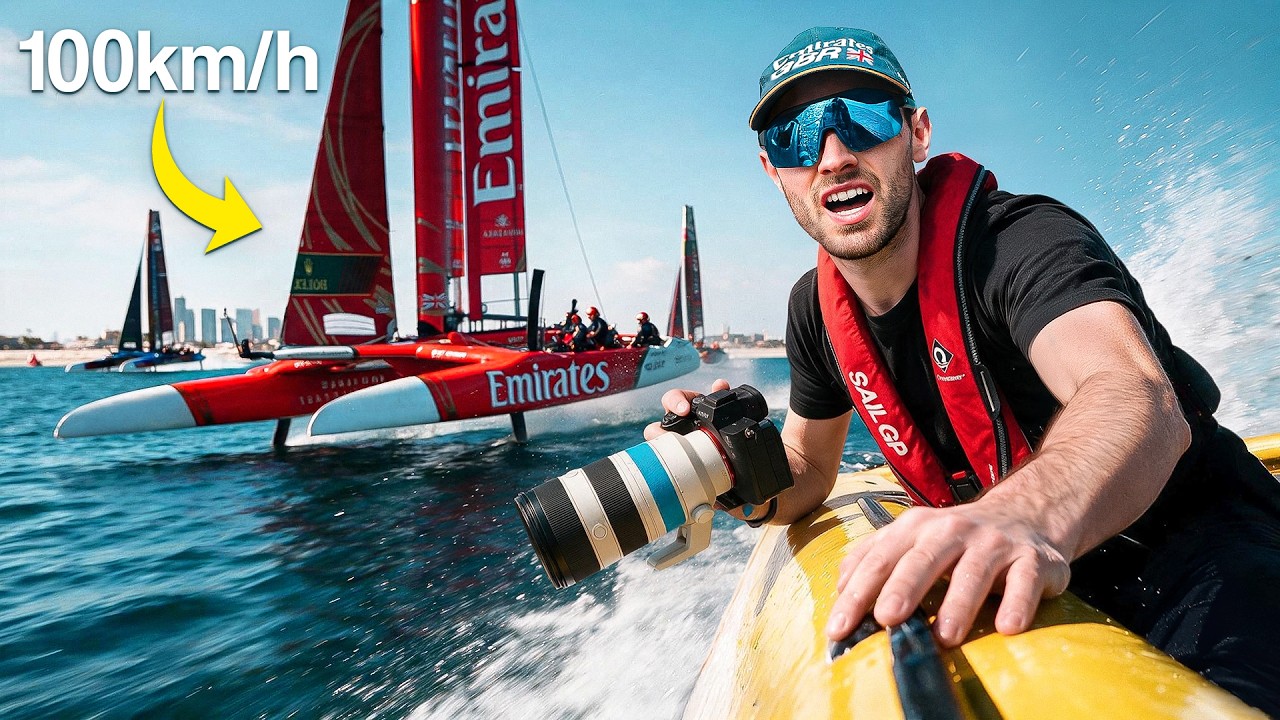
We turned SailGP into entertainment. One creator, a string of race locations and one impossible challenge: photograph the world’s fastest sailboats flying at 100km/h. Across socials, the content passed 5 million views.
Nobody wants to watch an advert for sailing. Everybody wants to see how fast the boats go.
The history
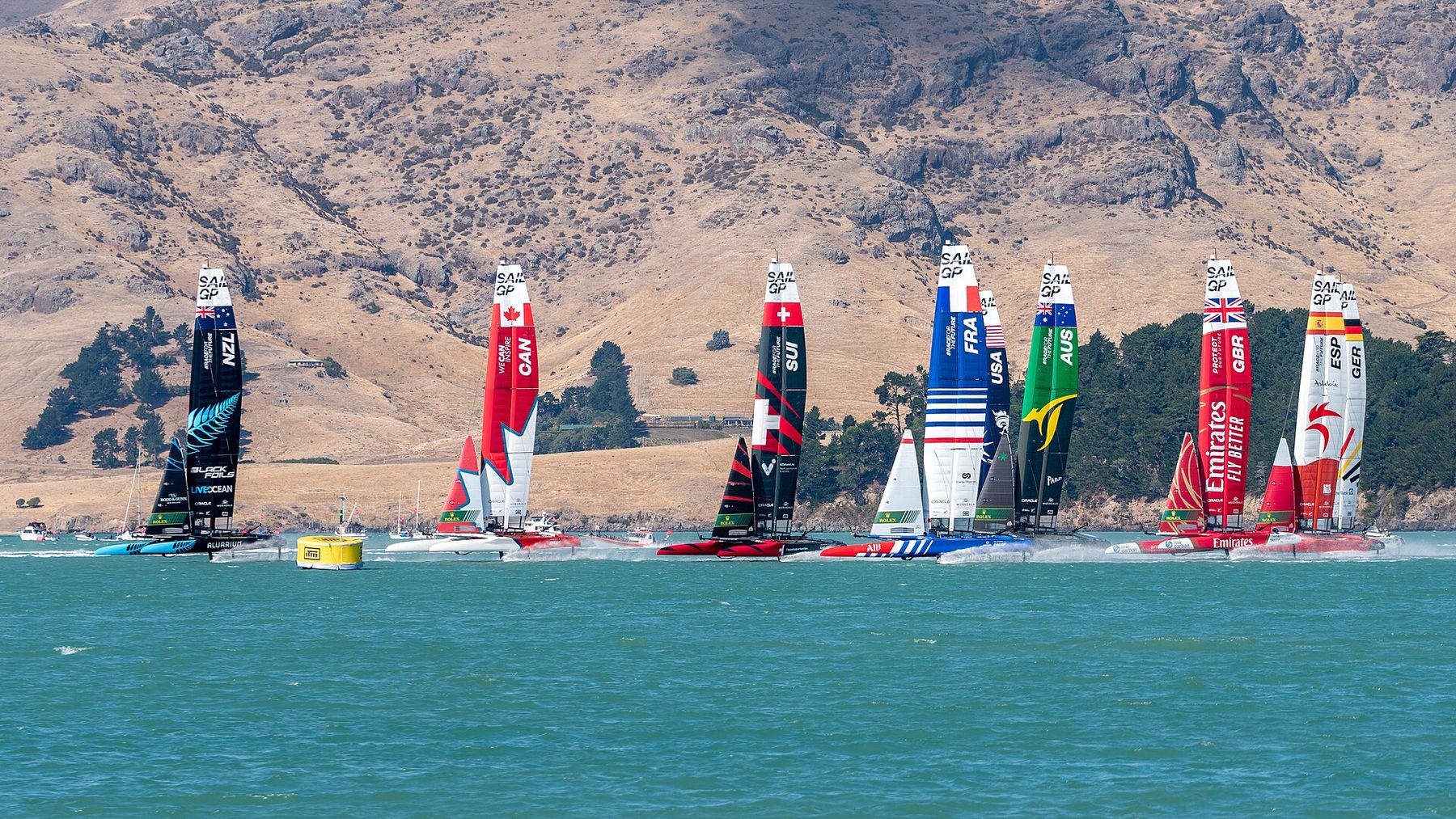
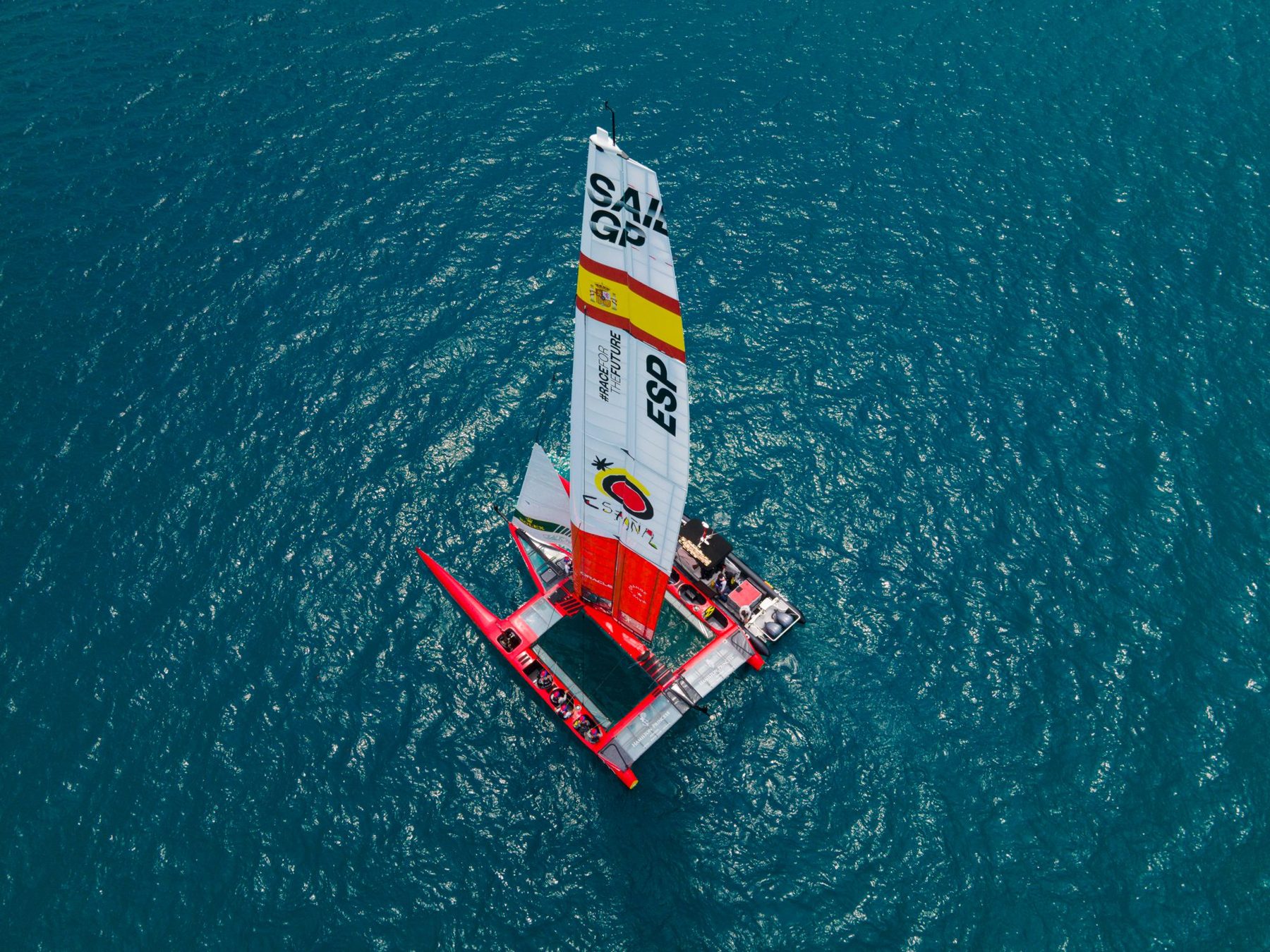
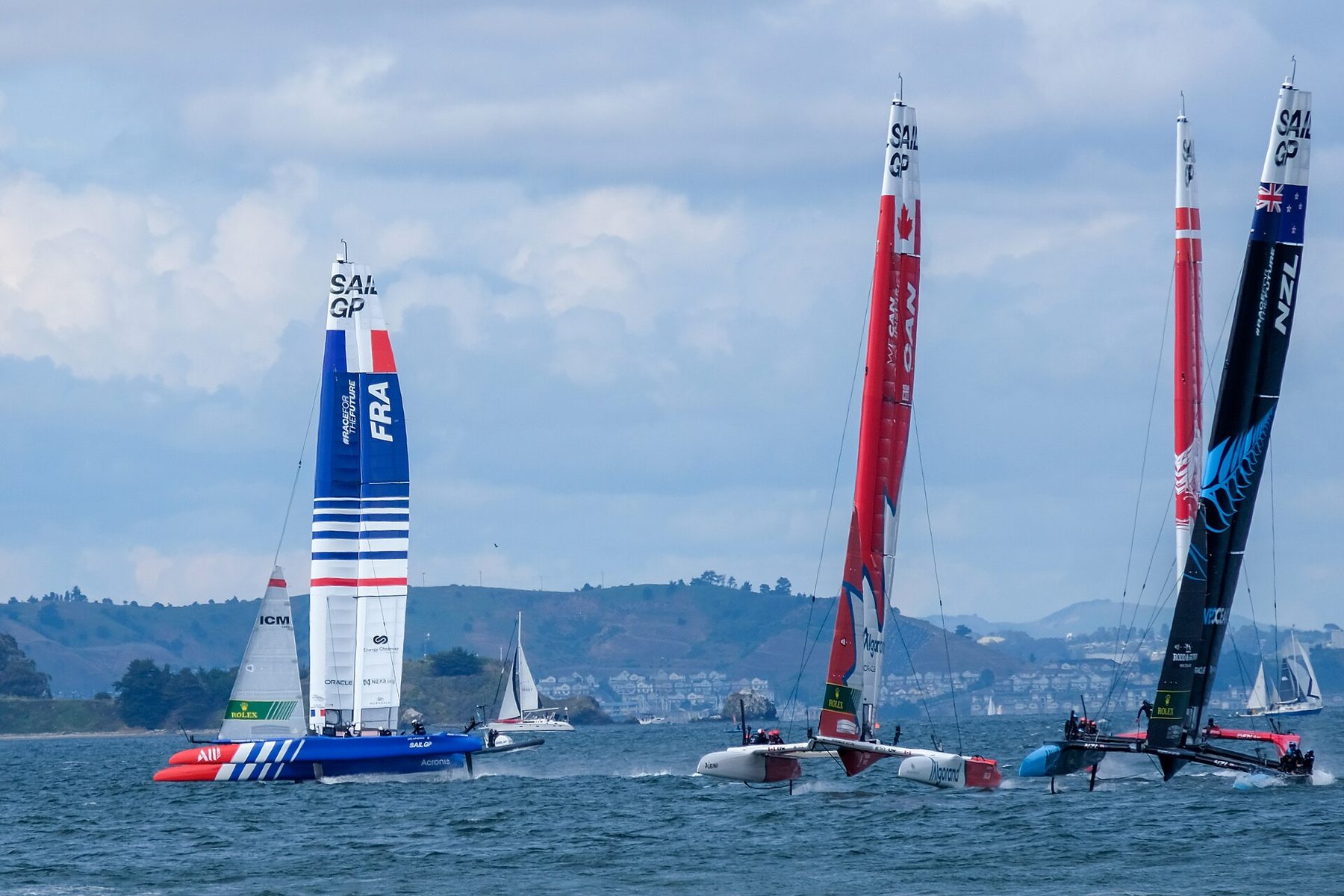
SailGP was founded in 2018 by Larry Ellison and Russell Coutts and raced its first season in 2019. National teams race identical F50 foiling catamarans: 15 metre boats with a crew of six that lift clean out of the water on hydrofoils and hit speeds of more than 100km/h.
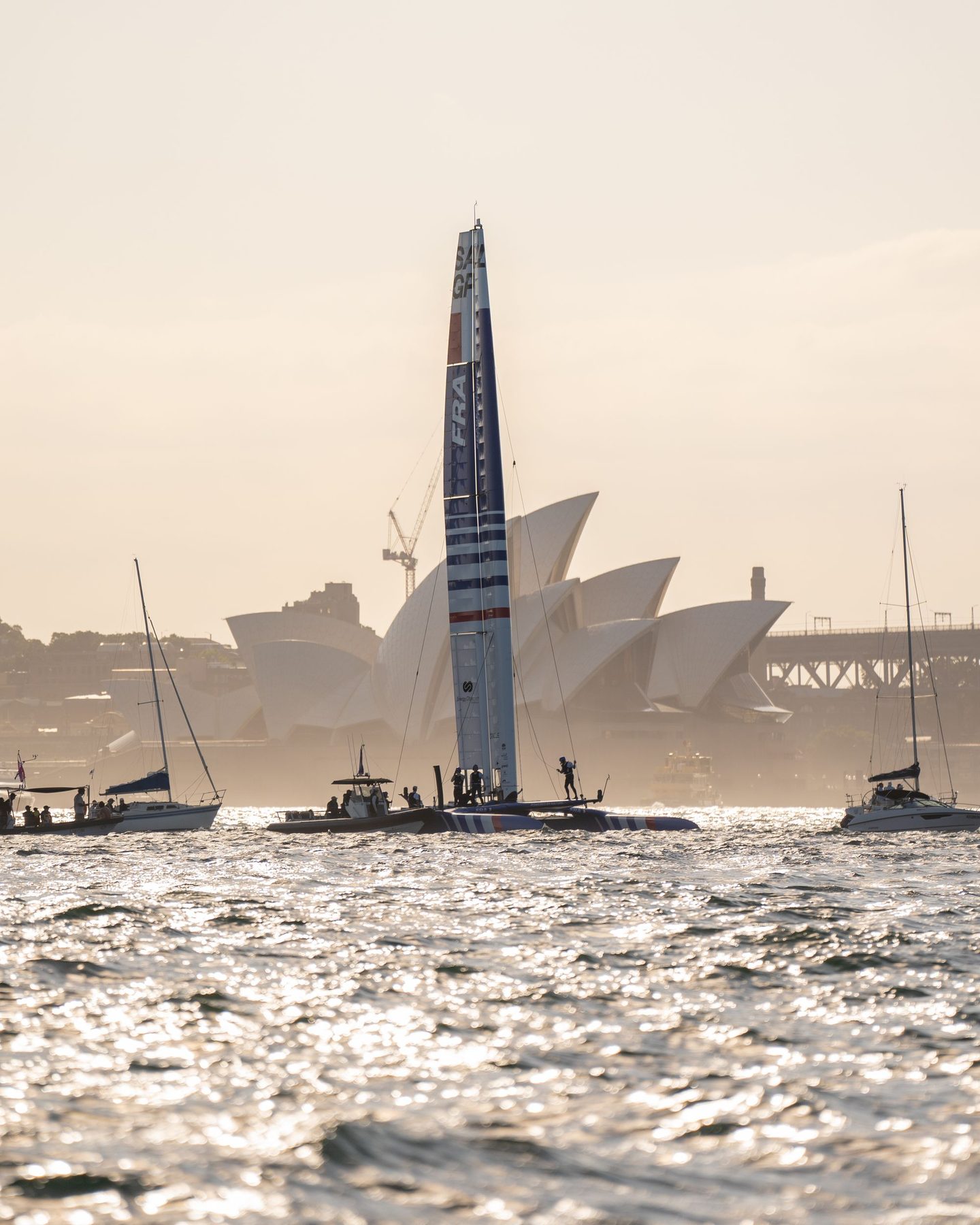
The league races in some of the most iconic harbours in the world, from Sydney to New York, and has pulled in team owners such as Ryan Reynolds, Hugh Jackman and Anne Hathaway. In 2026 it runs 13 teams across 13 events, and France set a new speed record of 107.63km/h in Sassnitz.
The brief
SailGP has the spectacle. What it needed was a way into feeds that doesn’t depend on already loving sailing. Most sailing content talks to people who sail. Most people don’t.
The job was to showcase SailGP, its boats and its locations, to a much wider audience, and to do it in a way people would choose to watch rather than skip.
The idea
We looked at SailGP through a different lens, quite literally. Instead of explaining the sport, we gave a creator a camera and a mission.
One creator, one mission
A photographer heads out to SailGP’s locations with a single goal: get the perfect shot of an F50.
Every location is a level
Each stop is a new challenge, and each one shows off another side of SailGP, from the harbours to the teams to the boats up close.
Build to the big shot
The story escalates to the payoff everyone is waiting for: photographing the boats flying at 100km/h.
SailGP is the star
The league is on screen the whole time. It never feels like an ad, because the viewer is invested in the challenge.
Which one would you click?
Tap the one you would actually watch.
Curiosity first
“Attempting to photograph the world’s fastest sailboats at 100km/h” makes you ask a question before you know it is about SailGP. Can he actually do it?
- The concept. We built the idea around a challenge, not a product message.
- The creator. We brought in a photographer creator whose audience loves exactly this kind of mission.
- The story. We structured it as a build up, location by location, to one big payoff.
- The packaging. We shaped the title and thumbnail to spark curiosity and earn the click.
Views across socials
The video didn’t stay on YouTube. Cut and shaped for Instagram and TikTok as well, the content passed 5 million views across socials.
Millions of people saw SailGP’s boats, locations and speed through a story they chose to watch, many of whom had never followed sailing.
The full story
The long form video, built to hold attention from the first location to the final shot.
The best moments
The biggest moments cut for Reels, where speed and spectacle stop the scroll.
The challenge
Fast, native edits built around the mission: can he get the shot?
How fast is 100km/h?
Fast enough to make a photographer sweat.
Why it worked
It sold SailGP by never trying to sell it.
A question, not a pitch
Can he get the shot? A question keeps people watching in a way a brand message never does.
Creator led and organic
It feels like a creator’s adventure, so audiences treat it like content, not advertising.
The product is the spectacle
The F50s are the hardest thing in the video to capture, so they are the thing everyone watches.
Built to travel
One strong idea, shaped for YouTube, Instagram and TikTok, reached millions across socials.
What we did
Photography of SailGP racing by Max Ravier and Brandon Morrison (Pexels), Alan Viles (CC BY 2.0) and Gregory Varnum (CC BY SA 4.0) via Wikimedia Commons.
The league AI explains
Ask an AI assistant how fast SailGP boats go or how F50s fly, and it reaches for videos that show and explain it clearly. Content built around the questions people actually ask keeps a brand inside the answer.
How we make brands the answer →