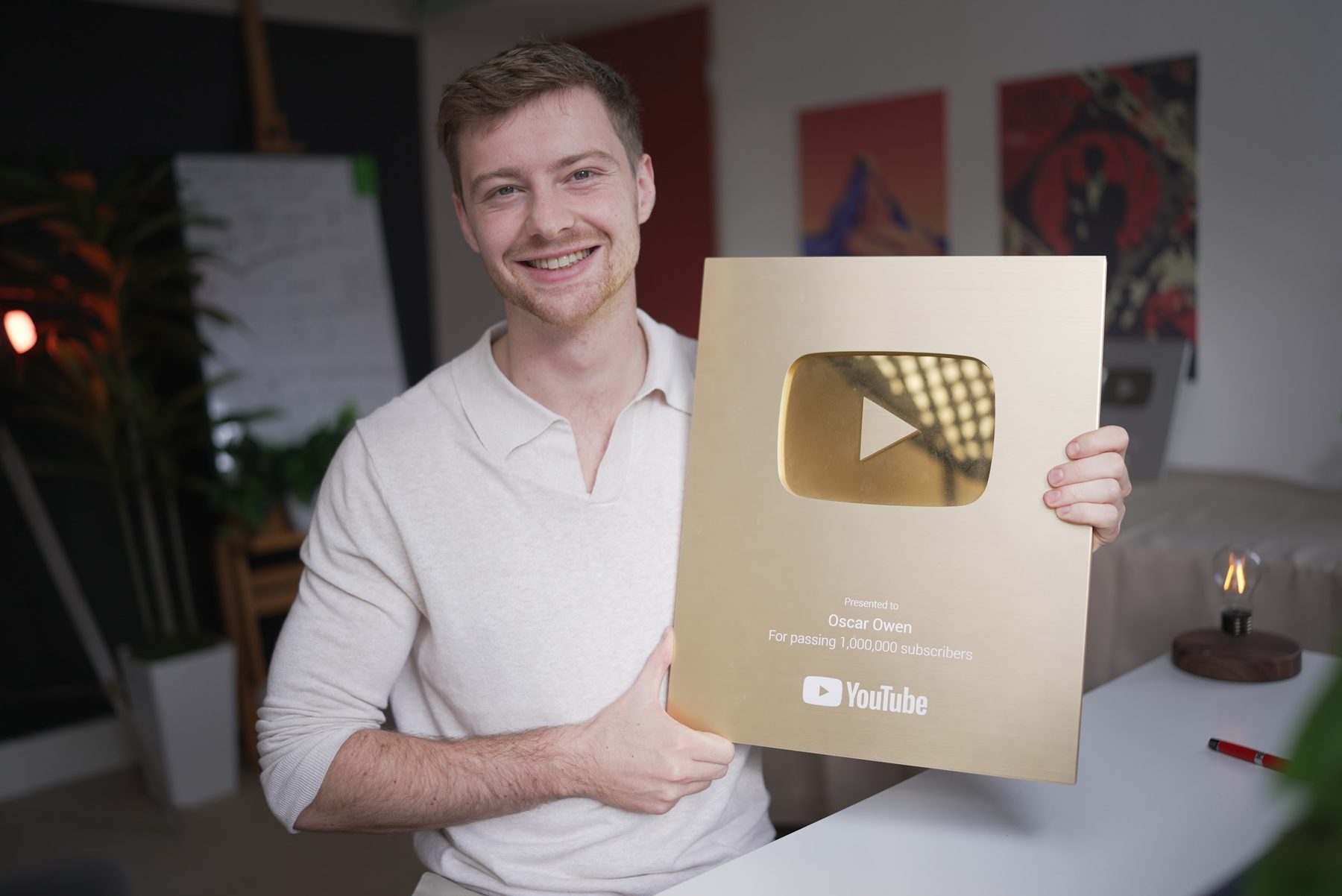
YouTube branded content disclosure is no longer a single checkbox you hope the creator remembers. On 3 September 2026, TeamYouTube announced a refreshed viewer label, age and geographic controls, and automated detection that may apply a disclosure when a new upload looks like an undeclared brand deal.
The operative rules sit in the YouTube Branded Content Policies Help Center article. For UK brands, the ASA’s recognising ads advice still sits on top.
The short version
- Declare every brand deal in Studio. Paid promotion must be marked so YouTube can show its disclosure label.
- Free product counts. Something of value includes gifts and deferred benefits, not only cash fees.
- Use age and country gates when paid promotion is Yes, for local advertising rules.
- Add a UK Ad label up front. The platform label after play starts does not replace ASA expectations.
- Do not wait for auto detection. Brands and creators stay responsible.
What is YouTube branded content disclosure?
YouTube defines branded content as content influenced by a brand partner in exchange for something of value, including payment, free products or sponsorships. See the Branded Content Policies article.
Disclosure has two layers: tell YouTube via the paid promotion declaration, then meet local law. Creators and partners remain responsible for when, how and to whom branded content is shown.
The policy applies to the whole video, not only the sponsored segment.

What changed in September 2026?
Natasha from TeamYouTube listed four updates on 3 September 2026:
- A refreshed branded content disclosure label for viewers.
- Granular age and geographic controls at the point of declaration.
- Automated branded content detection rolling out in the coming months.
- A rewritten policy that uses the industry term branded content and restates Google Ads policy alignment.
PPC Land summarised the same four points on the day. No public launch date was given for full automated detection. Keep manual declaration as the default.
What changes when you declare paid promotion on YouTube
YouTube branded content disclosure vs UK ASA rules
YouTube’s label tells viewers during playback that paid promotion is present. The ASA’s recognising ads advice focuses on whether people can tell an influencer post is advertising before they engage. On YouTube, that often means Ad (or similar wording) in the title and or thumbnail.
Both the brand and the influencer can be named if an advertorial breaches the CAP Code. Affiliate links and gifted products can trigger the same need for clear identification.
| Requirement | YouTube platform | UK ASA / CAP |
|---|---|---|
| When it applies | Anything of value from a brand partner, including free product | Payment, incentive or commercial connection; CAP remit when brand has editorial control |
| Where viewers see it | Disclosure label at the start of the video after you declare paid promotion | Clear Ad (or similar) before they click, typically in the title and or thumbnail |
| Who is responsible | Creator and brand partners; YouTube tools are a backstop | Brand and influencer both; both can be named in a ruling |
| Age and country | Manual age and geographic controls when paid promotion is Yes | Extra care when content is aimed at children; sector rules still apply |
| If you skip disclosure | Removal, age restrict, YPP and feature impact; systems may auto apply a label | ASA ruling risk and CMA / Trading Standards duties still apply |
Sources: YouTube Branded Content Policies and ASA recognising ads advice, checked 6 November 2026. Advertain summary.

How to handle YouTube branded content disclosure
Use this seven step process on every creator film that a brand touches.
1. Decide if the video is branded content
Start with YouTube’s definition. Branded content is any content influenced by a brand partner in exchange for something of value. That includes payment, free products and sponsorships, whether the benefit arrives now or later.
It covers videos, descriptions, comments, live streams, Shorts and other YouTube products. If a gifted item or a later payment shaped the film, treat it as branded content.
Write that test into the brief so the creator and the brand use the same standard.
2. Put the platform declaration in the contract
Do not leave Studio settings to chance. Require the creator to select paid promotion in YouTube Studio before the video goes live, and to keep the declaration on for the life of the post.
Ask for a screenshot of the paid promotion setting as a delivery proof. See our influencer contract template for disclosure clauses.
3. Declare paid promotion in YouTube Studio
On desktop, open the video in Studio, choose Show More, then tick “My video contains paid promotion like a product placement, sponsorship, or endorsement.” Save. On mobile, open Paid promotion and brands and set Paid Promotion to Yes.
YouTube then shows a disclosure at the start of the video. That label is mandatory for platform policy. It is not the whole legal duty.
4. Set age and country controls for regulated categories
When paid promotion is Yes, Studio opens manual controls for geographic locale, an overall minimum age, and a minimum age in specific countries. Use them when the category or market has advertising limits, for example alcohol, gambling, financial services, healthcare, or food rules that vary by country.
TeamYouTube said these controls exist so creators need not decline a deal only because of strict demographic or regional limits. The tool does not look the rule up for you.
5. Add the UK Ad label viewers see before they click
For UK audiences, the ASA expects influencer advertising to be obviously identifiable. On YouTube that usually means an identifier such as Ad in the title and or thumbnail so people know before they press play. Labels like Sponsored, Gifted or Thanks to [brand] are not enough on their own.
Platform labels that appear only after playback starts do not replace that upfront duty. See our ASA influencer guidelines UK guide for the wider CAP picture.
6. Block prohibited categories and plan restricted ones
YouTube bans branded content for categories such as recreational drugs, weapons, hacking software, counterfeit products and academic essay writing services. Restricted categories such as alcohol, financial services, healthcare, gambling and political content need extra care, including Google certification where required.
Do not burn advertiser supplied pre rolls, mid rolls or post rolls into the edit.
7. Monitor auto labels and keep a disclosure log
From 3 September 2026, TeamYouTube said automated branded content detection would roll out in the coming months. The Help Center already states that systems may apply a branded content label and notify you if they detect undeclared branded content.
Treat auto labelling as a safety net. Keep a log of every brand deal, gift and affiliate link, the Studio setting, the Ad wording and any age or country gates.


Worked example: Northline Outdoor (fictional)
Northline Outdoor is a fictional UK hiking brand briefing a lifestyle creator for a ten minute trail film plus three Shorts. The creator receives a fee and a jacket. The brief is UK first and adults eighteen and over.
The brand requires paid promotion Yes in Studio, UK Ad at the start of the title, a thumbnail Ad badge, minimum age eighteen for the UK, and a screenshot of Studio settings attached to the invoice.
That package meets YouTube’s declaration tools and gives UK viewers an upfront Ad signal before they click.
In the AI era, authenticity is the only real moat. Clear disclosure is part of that authenticity, not a threat to it.
Oscar Owen, speaking on themes from YouTube at Cannes and writing on LinkedIn.

Brand checklist
- Confirm whether value changed hands (fee, gift, affiliate, deferred benefit).
- Write Studio paid promotion into the contract and delivery proofs.
- Set age and country limits for regulated categories before go live.
- Add a clear Ad style identifier to the title and or thumbnail for UK viewers.
- Ban prohibited categories; confirm certifications for restricted ones.
- Log declarations, labels and overrides for every asset.
Frequently asked questions
What is YouTube branded content disclosure?
It is the duty to tell YouTube and viewers when content was influenced by a brand partner in exchange for something of value. You declare paid promotion in YouTube Studio so a disclosure label appears on the video.
Does the YouTube paid promotion label replace an ASA Ad label in the UK?
No. The ASA expects viewers to recognise advertising before they click, so the title and or thumbnail usually need a clear Ad identifier as well as the platform label.
Will YouTube automatically label undeclared brand deals?
The Help Center says systems may automatically apply a branded content label if they detect undeclared branded content. TeamYouTube said automated detection would roll out in the coming months from 3 September 2026. Creators remain responsible.
Can branded content still earn ad revenue on YouTube?
Yes, if the channel is in the YouTube Partner Program and follows advertiser friendly guidelines. YouTube may swap an ad that conflicts with your brand partner.
Do free products count as branded content on YouTube?
Yes. Something of value includes payment, free products or sponsorships, whether received now or later.
Want help building creator films people trust and choose to watch? See our work or talk to us about your brand.