
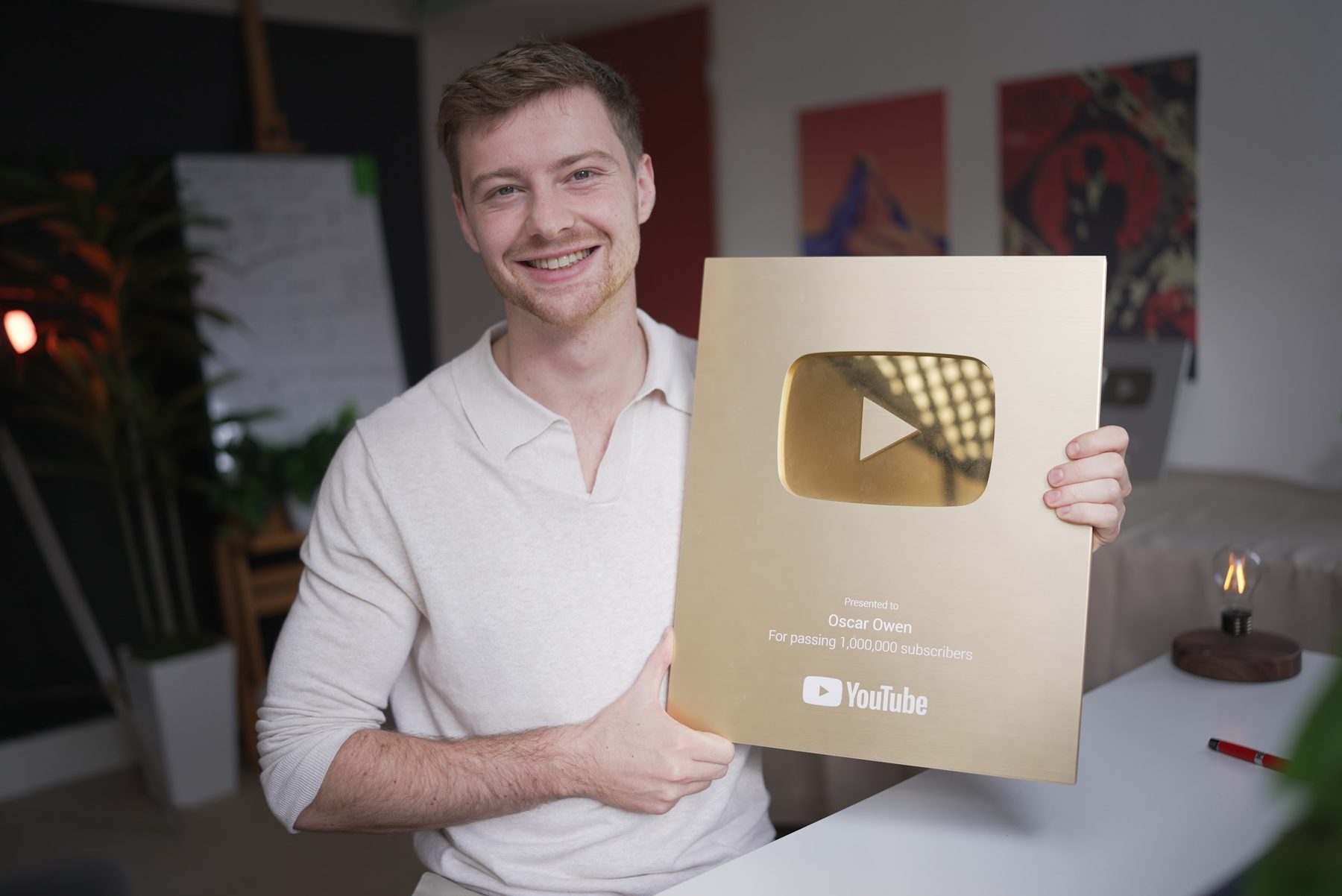
Owned media is the part of marketing a brand does not have to rent. Your website, your email list, your app, your YouTube channel, your podcast. The audiences you can reach again tomorrow without bidding for them.
For most of the last decade, renting attention was cheap enough that owning it felt optional. The 2026 numbers say that era is over.
Ad prices are rising faster than ad volumes. Organic reach on the big feeds keeps slipping. And AI answers in search now take clicks that used to land on brand websites.
This report pulls together the latest data on all three, explains what counts as owned media, and sets out a practical plan to build it. Every figure links to its source.
The short version
- Renting reach costs more each year. Meta’s average price per ad rose 14% in Q3 2026 and Google’s cost per click rose 4%. UK ad spend is forecast to grow 9.9% to £51.3bn this year, so more money is chasing the same feeds.
- Rented reach is shrinking. Brand engagement rates fell on TikTok, Instagram, Facebook and X between 2025 and Q3 2026, and Instagram reach rates are down 14% year on year.
- AI search is a new gatekeeper. When an AI Overview appears, clicks to websites fall by about 40%. Owned audiences that come to you directly matter more.
- Owned media is climbing the agenda. B2B marketers now rank it their top investment priority for 2027, ahead of events, AI tools and paid media.
- It is not owned versus paid. The strongest plans use paid to grow owned audiences, then use owned channels to make every paid pound work harder.

What is owned media?
Owned media is any channel or audience a brand controls directly. You decide what goes out, when it goes out and who it reaches, without paying a platform for each impression.
It sits alongside paid media, which you buy, and earned media, which other people give you through coverage, reviews and shares. Many marketers now add a fourth group, shared or rented media, for organic posts on social platforms.
That fourth group is the one brands most often get wrong. Your Instagram account and the posts on it are yours, but the platform decides who sees them. As our paid vs organic social media report puts it, you own the content and rent the distribution.
| Type | What it is | Who controls reach | What it costs | How long it lasts |
|---|---|---|---|---|
| Owned media | Channels and audiences the brand runs: website, email list, app, YouTube channel, podcast, community | Mostly you, though some sit on platforms | Content, people and tools | Compounds while you keep publishing |
| Paid media | Advertising: search, social, video, TV, out of home, retail media | You, for as long as you pay | Media spend that rises with auctions | Stops when the spend stops |
| Earned media | Coverage, reviews, shares and word of mouth you do not pay for | Other people | Time, ideas and relationships | Unpredictable, can last for years |
| Shared or rented | Organic posts on social platforms | The platform’s algorithm | Content and community time | Usually days, sometimes hours |
Advertain guidance. Many frameworks fold shared media into owned. We split it out because the brand owns the post but not the distribution.
The real test of owned media is simple. If the platform changed its rules tonight, could you still reach these people next week? A website, an email list and an app pass that test. A follower count often does not.
Why does owned media matter more in 2026?
Three forces are pushing brands back towards channels they control. Paid media is getting more expensive, organic reach on rented platforms is falling and AI search is changing how people reach websites.
1. Renting attention keeps getting dearer
In the third quarter of 2026, Meta reported that ad impressions across its apps rose 10% year on year while the average price per ad rose 14%. Prices are rising faster than supply.
Search tells a similar story. Alphabet’s quarterly filing shows Google Search paid clicks up 8% and cost per click up 4% on a year earlier. PPC Land notes that is below the 11% growth across the first nine months of the year.
The rising price of rented attention: Q3 2026, change on a year earlier
Our paid vs organic report tracked Meta’s price per ad rising 12% in each of the first two quarters of 2026. Q3 made it steeper, not flatter.
2. More money is chasing the same feeds
The Advertising Association and WARC now forecast UK advertising investment to grow 9.9% in 2026 to £51.3bn, then 6.5% to £54.7bn in 2027. Retail media and social media lead the growth.
UK advertising growth forecast for 2026, by medium
Marketing leaders are following the money. Gartner’s 2026 CMO Spend Survey found paid media now takes 31.4% of budgets, a five year high, up from 25.1% in 2021. Gartner says the shift is funded by cuts to agencies, while loyalty and retention investment declines.
Gartner warns that these trade offs may lift short term performance but weaken long term growth. That is the owned media argument in one sentence.
3. Cookies are not the reason, relationships are
For years the case for first party data rested on the death of the third party cookie. That deadline never arrived. Google kept cookie choice in Chrome and, in October 2025, retired most of its Privacy Sandbox technologies.
So the reason to build owned audiences is no longer a technical deadline. It is that a direct relationship is the only reach that does not get more expensive every quarter.
Is organic reach on social media still falling?
Yes, on most platforms. Socialinsider’s reach study, based on 872,075 brand posts, found Instagram’s reach rate fell from 3.70% in January 2025 to 3.20% by August 2026, a 14% year on year decline. Facebook sat at 1.25%.
Engagement tells the same story. Across Socialinsider’s tracking of brand accounts, every major platform lost ground between 2025 and the third quarter of 2026.
How far brand engagement rates fell, 2025 to Q3 2026
Other benchmarks agree. The Quid and Rival IQ 2026 benchmark found the median Instagram engagement rate across industries fell from 0.36% to 0.30%, a drop of roughly 17% in a year.
None of this means social is dead. Short form video still reaches more new people than any owned channel can on its own. It means a follower is not an audience you own. It is an audience you are allowed to borrow.
Platform rules can change overnight
In January 2026 a new TikTok USDS Joint Venture took over TikTok’s US operations. Its stated mandate includes retraining the content recommendation algorithm on US user data.
Whatever that means for reach in practice, the lesson is broader. Every brand on a platform is exposed to decisions it does not make. Owned media is the insurance policy.

How AI search changes the case for owned media
Brand websites have relied on search for free traffic for twenty years. That arrangement is weakening. In a randomised field experiment published in 2026, Saharsh Agarwal and Ananya Sen found that when a Google AI Overview appeared, outbound organic clicks fell 39.8% and zero click searches rose 34.5%.
Sponsored clicks were not affected. In other words, the AI summary took traffic from websites while leaving the ads untouched.
This cuts two ways for owned media. Your website still matters, because it is what AI systems read and cite. But traffic you get from search is less reliable, so audiences that come to you directly, through email, subscriptions and apps, are worth more.
If you want your owned content to be the source AI answers quote, start with our GEO guide.
What are the main owned media channels?
Most brands already own more media than they use. The table below shows the main channels, what each does best and the metric that tells you whether it is working.
| Channel | Best for | What you really own | Metric to watch |
|---|---|---|---|
| Website and blog | Search, AI citations, conversion | The domain, the content and the first party data | Organic visits, AI citations, conversion rate |
| Email newsletter | Repeat attention and sales | The list and the permission to send | Clicks, replies, revenue per send |
| YouTube channel | Discovery, trust, long viewing sessions | The content and subscriber relationship, not the algorithm | Watch time, returning viewers, subscribers |
| Podcast | Depth, expertise, B2B trust | The show, the feed and the archive | Downloads per episode, completion, guests won |
| App or loyalty programme | Frequency and personal offers | Logged in customers and their purchase data | Active members, visit frequency |
| Community and events | Advocacy and feedback | The relationships, if you capture contact details | Attendance, repeat attendance, referrals |
Advertain guidance.

Email: the most measurable owned channel
Email is the owned channel with the longest track record. The DMA Marketer Email Tracker 2026, based on 250 UK marketers, puts the return at £40.96 for every £1 spent, up from £38.33 in 2021.
The DMA is honest about the caveat. Adjusted for inflation, that is a slight decline over five years. It still calls holding steady a relative achievement in a period when industry wide marketing effectiveness fell.
Engagement is healthy too. The DMA’s Email Benchmarking Report 2025 recorded a 98% delivery rate, a 35.9% open rate and a 2.3% unique click rate for UK email sent in 2024. For B2B brands, our B2B newsletter strategy guide shows how to build a list people actually open.
YouTube: owned content with built in discovery
A brand YouTube channel sits between owned and rented. The platform controls recommendations, but the videos, the subscriber relationship and the search traffic build on each other for years.
That is why we treat it as owned media for most brands. A video on a creator’s channel builds the creator’s audience. A video on your channel builds yours. Our review of the best brand YouTube channels shows what the leaders do differently.
Apps and loyalty: owned media at scale
The biggest owned audiences belong to brands with apps people open every week. Starbucks reported a record 36 million 90 day active Rewards members at its US company operated coffeehouses in its fiscal fourth quarter of 2026.
Duolingo’s Q3 2026 results show daily active user growth accelerating to 29% year on year. Yet it still buys media: on the earnings call, its CFO said paid marketing makes up about 60% of non compensation marketing spend, a bit over $100m. Owned and paid working together, not one replacing the other.
“Ads expire. Organic compounds.”
Oscar Owen, writing on LinkedIn, February 2026
Owned media vs paid media: which should brands invest in?
Both. The question is the order and the job each one does.
Paid media buys reach on demand. It is the fastest way to reach new people and test ideas. Owned media turns some of those people into an audience you can reach again for free. Without it, every campaign starts from zero.
The budget data shows how lopsided most plans are. In Gartner’s 2026 survey, search and social advertising together take almost a third of the average digital budget. SEO, the largest owned and earned digital line, takes 9.4%.
Share of CMO digital budgets: the biggest paid and owned lines
Sentiment is shifting, at least in B2B. In the Content Marketing Institute’s latest research, 42% of B2B marketers named owned media a top three investment priority for 2027, up 10 points on a year earlier and ahead of events, AI tools and paid media. Our newsletter guide charts the full list.
Our view: let paid accelerate what owned builds. Point a share of every paid campaign at sign ups, subscribers and app installs rather than one off clicks. Then measure paid by the owned audience it leaves behind. Our brand vs performance marketing report covers how to split the budget itself.
What makes owned media work?
Owning a channel is easy. Filling it with something people choose to come back for is the hard part.
Marketers know this. When the Content Marketing Institute asked B2B marketers what drove their effective marketing, content relevance and quality came first and team skills second. Technology and AI tools came near the bottom.
What B2B marketers say drives effective marketing
Yet the same research found human resources tied for last place as an investment priority, named by just 9%. Brands are funding the shelves, not what goes on them.
“A newsletter or blog or any other container funded without knowledgeable, talented people to populate it is just a shelf.”
Robert Rose, Content Marketing Institute, November 2026

The brands that win with owned media behave like publishers. They have a clear promise, a regular rhythm and people who know the subject. Our report on branded entertainment shows how far that can go when a brand commits.
How to build an owned media strategy: a seven step plan
This is the approach we recommend to marketing leaders who want an owned audience that grows every quarter.
1. Audit what you already own
List every channel: website, blog, email lists, app, YouTube, podcast, communities. For each, note the owner, the audience size and one honest metric. Most brands find dormant lists and abandoned channels worth reviving.
2. Pick one hero channel
Spreading thin is the most common failure. Choose the channel that best fits your audience and the content you can make well, often YouTube or email. Our guide to starting a YouTube channel for business covers the first steps.
3. Write a promise, not a plan
Say what the audience gets and how often. “One practical idea every Friday” is a promise. “Company news and updates” is not.
4. Staff it like a publisher
Name an editor, a maker and a subject expert. The research above is clear: content quality and team skills drive results, so budget for people before tools.
5. Build capture into everything
Every paid campaign, social post and event should give people a reason to subscribe, sign up or log in. This is where paid and owned stop competing and start compounding.
6. Publish on a rhythm you can keep for a year
Consistency matters more than volume. A weekly cadence held for twelve months beats a daily cadence that stops in March.
7. Measure the audience, not just the output
Track subscribers, returning visitors, watch time and revenue from owned channels every month. Count posts published only as a check on the rhythm.

| Quarter one milestone | What good looks like |
|---|---|
| Audit finished | Every owned channel listed with an owner, audience size and one core metric |
| One hero channel chosen | A clear promise, a cadence you can keep for a year and a named team |
| Capture built in | Every paid and social campaign drives people to sign up, subscribe or log in |
| Publishing rhythm proven | Twelve weeks of on time output, with the best and worst pieces reviewed |
| Baseline set | Subscribers, returning visitors and revenue from owned channels tracked monthly |
Advertain guidance. Use it as a scorecard at the end of the first 90 days.

Common owned media mistakes
Treating followers as owned. A follower count is a lease. Move the best of that audience somewhere you control.
Launching channels without people. A newsletter or channel with no editor goes quiet within months, and a quiet channel trains people to ignore you.
Judging owned media on campaign timelines. Owned audiences compound. Give a channel at least a year before you call it.
Cutting paid to fund owned. Paid is often the fastest way to grow an owned audience. Redirect part of it rather than switching it off.

Frequently asked questions
What is owned media?
Owned media is any channel or audience a brand controls directly, such as its website, email list, app, YouTube channel or podcast. The brand decides what is published and can reach the audience again without paying for each impression.
What are examples of owned media?
Common examples are a brand website and blog, an email newsletter, a mobile app or loyalty programme, a YouTube channel, a podcast and a customer community. Social media accounts are partly owned: the brand owns the content but the platform controls who sees it.
What is the difference between owned, earned and paid media?
Paid media is advertising you buy. Earned media is coverage, reviews and shares other people give you. Owned media is the channels you run yourself. Paid buys reach quickly, earned builds credibility and owned keeps the audience you win.
Is owned media better than paid media?
Neither is better on its own. Paid media reaches new people fast but stops when the spend stops. Owned media is slower to build but compounds. The strongest plans use paid to grow owned audiences such as subscribers and app users.
How do you measure owned media?
Measure the audience and what it does: subscribers, returning visitors, watch time, email clicks and replies, active app users and revenue from owned channels. Track them monthly and judge each channel over at least a year.
Want to build an audience your brand owns? See our work or talk to us about your brand.


