Influencer whitelisting is when a creator gives a brand permission to run paid ads from or with their account. The ad carries the creator’s name and face, while the brand sets the budget, targeting and goal.
The short answer: it is now standard on Meta, TikTok and YouTube, it usually beats the same video run from a brand account, and most of the work is in the contract and permissions.
The short version
- It is permission. The creator lets the brand advertise as or with them.
- Each platform has a name for it. Partnership ads on Meta, Spark Ads on TikTok, Creator partnerships boost on YouTube.
- It tends to work. Meta reports 19% lower cost per acquisition when partnership ads are added to campaigns.
- Rights come first. Agree duration, platforms and fees before the post goes live.
- Refresh often. Winning creator ads tire in about five weeks.
What is influencer whitelisting?
The name comes from the creator adding the brand to an approved list of advertisers. Many teams now say allowlisting, and each platform has its own product name.
Meta renamed branded content ads as partnership ads. It says partnership ads feature the creator, the brand or both in the header and use signals from both accounts for ranking. From September 2026 they can also run in WhatsApp Status.
Whitelisting is not the same as simply licensing a creator’s video to run from your own account. That is usage rights. Whitelisting puts the creator’s identity on the ad.

How does influencer whitelisting work on each platform?
The idea is the same everywhere. The details are not.
| Meta (Instagram, Facebook) | TikTok | YouTube | |
|---|---|---|---|
| Name | Partnership ads (formerly branded content ads) | Spark Ads | Creator partnerships boost |
| How the creator says yes | Account level permission, or a partnership ad code or boost toggle on one post | A video code generated in the app, or an authorised account | The creator grants brand partner access to the video in YouTube Studio |
| How long it lasts | Until the creator removes it; the boost toggle switches on for 28 days after branded content | 7, 30, 60 or 365 days, chosen by the creator | Agreed in your deal; linking does not replace usage rights |
| Whose name is on the ad | The creator, the brand or both in the header | The creator’s account | The creator’s channel |
| Watch out for | The post cannot be edited while it runs as an ad; deleting it stops the ad | The caption cannot be edited once authorised; a private video becomes public | Formats and placements depend on the campaign type, such as Demand Gen |
Sources: Meta Business Help Centre and Instagram Help Centre; TikTok Business Help Centre and Sprinklr Help Centre; Aspire Help Centre on Creator partnerships boost (October 2026). Check each platform before you launch, as these rules change often.
For new branded content on Instagram, the boost toggle switches on automatically for 28 days after the creator’s last branded post. On TikTok, ads can use videos of up to 10 minutes, and captions cannot be changed once a post is authorised.
Does influencer whitelisting work?
The evidence points one way, with caveats. Meta says adding partnership ads to business as usual campaigns delivered 19% lower cost per acquisition and 13% higher click through rates on average. That is Meta’s own test.
An independent view came from Agentio, which analysed $130 million of spend across 65,000 ads from 137 brands. Partnership ads had a 19% higher click through rate, a 10% higher conversion rate and a 5% lower cost per acquisition than licensed creator videos run from brand accounts, despite a 19% higher CPM, per Net Influencer.
Which creator activities drove the most ROI for brands in the past year
So why is it not everywhere? The barriers are mostly operational.
The biggest barriers to using more creator content in paid media
Rights and permissions come second, which is why steps 2 and 3 below matter most.

How to run influencer whitelisting in 7 steps
Steps 1 to 4 happen before the creator posts. Steps 5 to 7 run for the life of the campaign.
1. Choose posts that have already earned attention
Start with creator posts that did well organically, then set the goal: reach, traffic or sales.
Meta’s Partnership Ads Hub now shows a creator’s organic views, shares and saves, so you can pick posts with proof before you spend. On TikTok, Spark Ads keep every view, like and follow on the original post, as TikTok explains.
Our guide to paid vs organic social media covers how to split the budget.
2. Agree paid usage before the post goes live
Put whitelisting in the first contract: duration, platforms, handle, exclusivity and the fee.
In an Aspire survey of nearly 900 marketers and creators, 77% of brands repurpose creator content in paid ads and 67% include paid usage in the initial contract or rate. Agencies told Digiday in September 2026 that usage and exclusivity are extra costs almost every time.
| What to agree | Typical options | Why it matters |
|---|---|---|
| Duration | 30 days, 90 days, 12 months | Longer windows cost more and outlast most creative |
| Platforms | Meta only, TikTok only, all social | Each extra platform is usually priced as an extra |
| Whose handle | Creator handle, brand handle or both | Some creators price partnership ads differently from brand handle use |
| Exclusivity | None, category, named competitors | Stops the creator promoting a rival while your ad runs |
| Edits and cut downs | As posted, or new edits from raw files | Fresh cuts keep a winning ad alive for longer |
| Reporting | Monthly results shared with the creator | Builds trust for the renewal conversation |
Advertain template. Rights terms to cover in writing, based on the pricing factors reported by Aspire (2026) and Digiday (September 2026).
Our influencer contract template has the clauses to use.
3. Get the right permission on each platform
Ask for account level access on Meta, a code that covers the whole flight on TikTok and a video link on YouTube.
On Meta, account level permission lets you create ads from the creator’s handle without an existing post and turn tagged posts and Collabs into ads. A partnership ad code covers one post and works for up to two partners at a time.
On TikTok, the creator picks 7, 30, 60 or 365 days when generating a code, as the Sprinklr Help Centre sets out. Ask for a window longer than your campaign.
4. Check disclosure and claims
Keep the creator’s paid partnership label on, and check every claim in the ad as if the brand wrote it.
Section 2 of the CAP Code says marketing must be obviously identifiable as marketing, and the ASA’s advice says brands and creators are both named when a ruling goes against an ad. Running a post as an ad does not remove the need for the original label.
Our guide to ASA rules for influencer ads covers the labels.
5. Build the campaign and test it against a brand handle
Run the creator version next to the same video from your own handle, so you know what the creator’s name adds.
Use partnership ads in Meta Ads Manager, Spark Ads in TikTok Ads Manager and Creator partnerships boost in Google Ads. Our guide to advertising on TikTok walks through the Spark Ads setup.
On YouTube, Google pushed Creator partnerships boost in its November Demand Gen Drop, which we covered in last week’s Friday Cut. Creator videos on YouTube also feed AI answers, as our guide to getting your brand cited by AI explains.
6. Read results by placement, then refresh
Give each ad enough spend to judge it, compare placements and replace winners before they tire.
Agentio’s analysis, reported by Net Influencer, found a median hit rate of about one winner in five ads, and that 45% of eventual winners still looked like losers at $100 of spend. Winners began to tire after an average of 36 days.
Placements differ: in Stories, partnership ads cost 25% more per acquisition.
7. Share results and renew or end cleanly
Keep a calendar of every permission and code, share results with the creator and decide on renewal before the window closes.
TikTok authorisations end when the window the creator chose runs out. A video also has to be removed as a Spark Ad before the creator can delete it, as TikTok notes. Creators can also remove Meta permissions at any time.
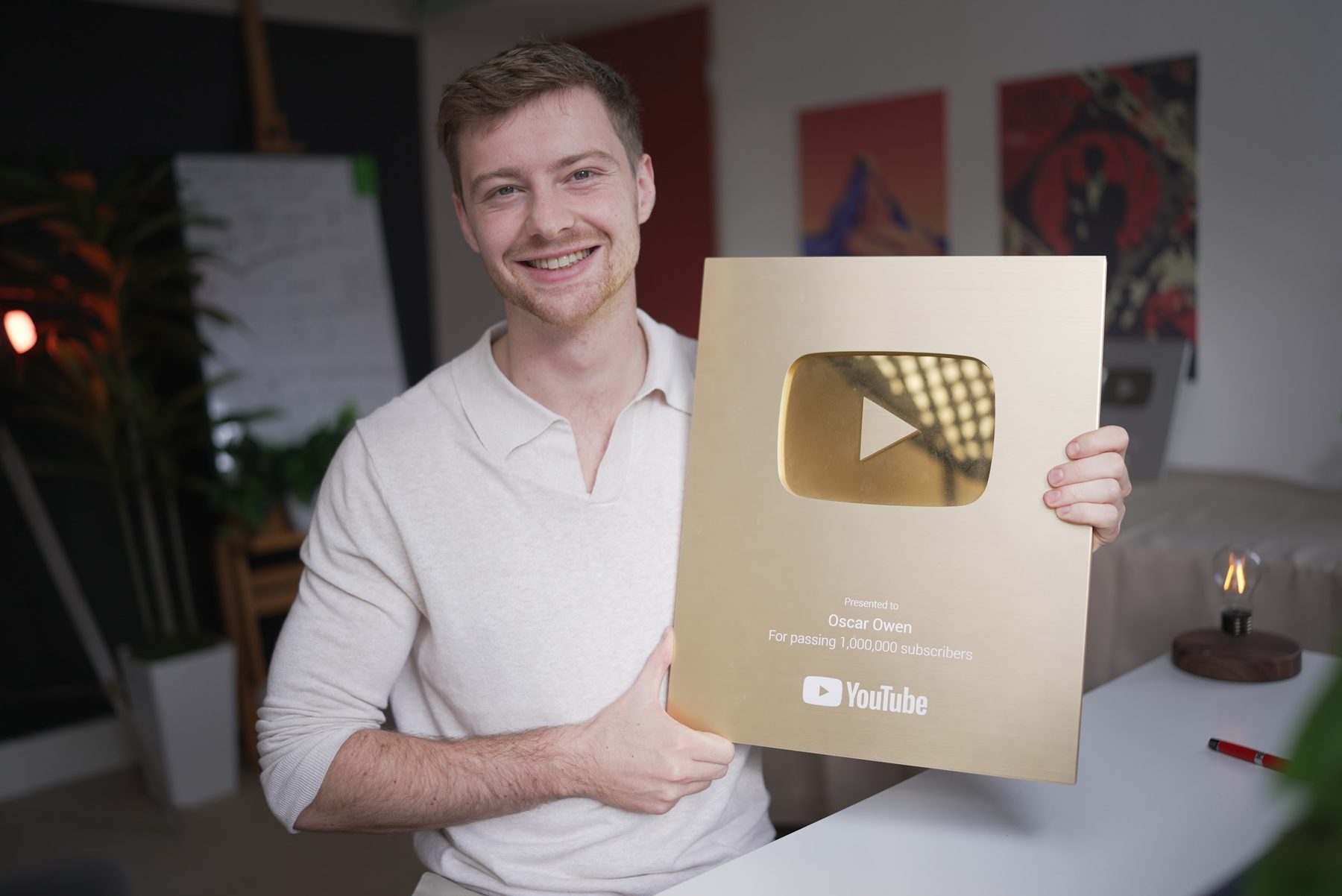
As Oscar Owen, Advertain’s chief executive, wrote on LinkedIn in May 2026:
Organic builds the audience. Paid accelerates it.
Whitelisting is that idea in practice.
Influencer whitelisting examples
A coffee brand on YouTube. Google says Javvy Coffee drove 50% higher conversion rates by boosting creator content in its Demand Gen campaigns, in its November 2026 Demand Gen Drop. That is Google’s own example.
A marketplace using affiliates. In the same update, Google says Shopee used affiliate partnerships boost to amplify creators who already tag its products, with a 9x average ROI.
A skincare launch (illustrative). A brand gifts products to 20 creators, buys 90 days of paid usage on the three posts with the most saves and runs each as a partnership ad and a Spark Ad, with new cuts every month.

Influencer whitelisting checklist
Run through this before every creator campaign with a paid budget.
- Posts. Picked on organic proof, not just follower count.
- Contract. Duration, platforms, handle, exclusivity and fee in writing.
- Permissions. Meta access or code, TikTok code longer than the flight, YouTube video linked.
- Label. Paid partnership label on the original post.
- Claims. Every claim checked by the brand.
- Test. Creator handle against brand handle.
- Refresh. New cuts ready before day 36.
- Calendar. Every expiry date tracked, with a renewal decision.
Frequently asked questions
What does influencer whitelisting mean?
A creator gives a brand permission to run paid ads from or with their account. The ad shows the creator’s name, while the brand controls budget and targeting.
Is influencer whitelisting the same as partnership ads?
Partnership ads are Meta’s version of it. TikTok calls it Spark Ads and Google calls its YouTube version Creator partnerships boost. Whitelisting is the industry’s older umbrella term.
How much should a brand pay for whitelisting?
There is no standard rate. In Aspire’s 2026 survey, 43% of brands paying extra for usage paid under $500 and 14% paid $500 to $1,000. Price it by duration, platforms and exclusivity.
Do whitelisted ads need to be labelled as ads?
Yes. In the UK, marketing must be obviously identifiable. Keep the creator’s paid partnership label on the post, and remember both the brand and the creator can be named in an ASA ruling.
How long does influencer whitelisting last?
As long as the contract and permission allow. A TikTok code lasts 7, 30, 60 or 365 days. Meta permissions last until the creator removes them, so your contract should set the end date.
Our UK influencer rates guide covers the fee itself. Want creator content that works as organic and paid? See our work or talk to us about your brand.